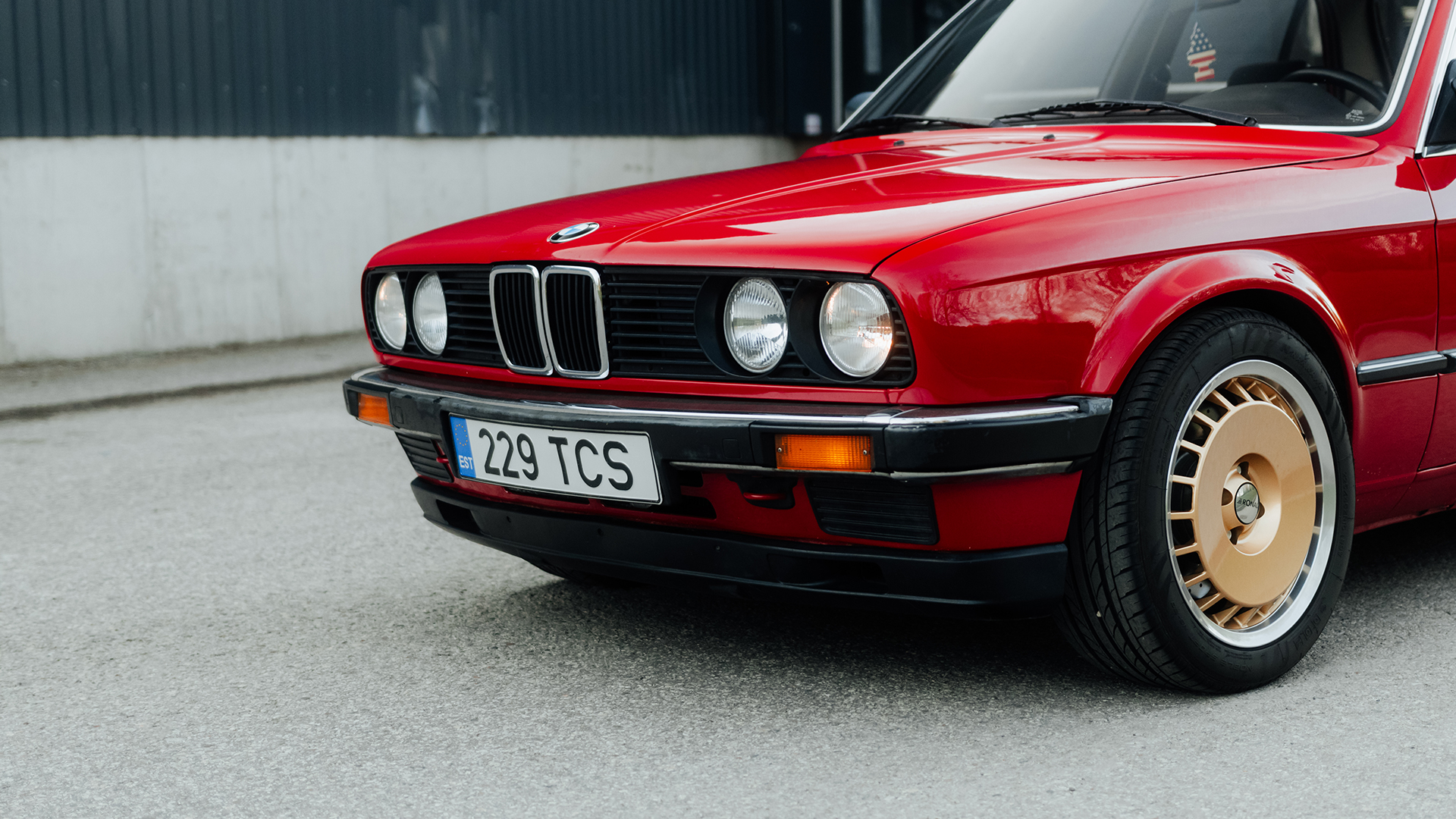
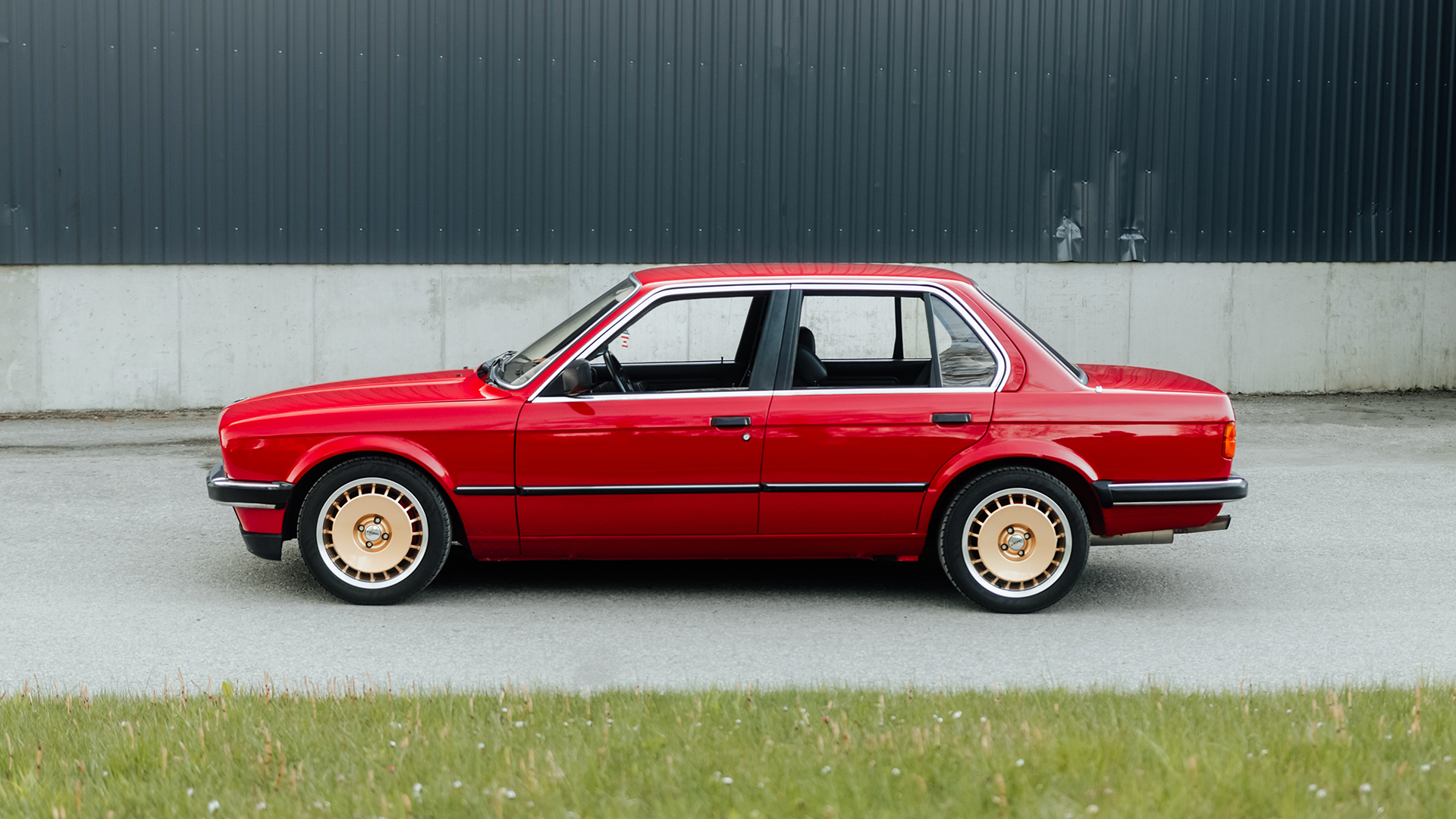
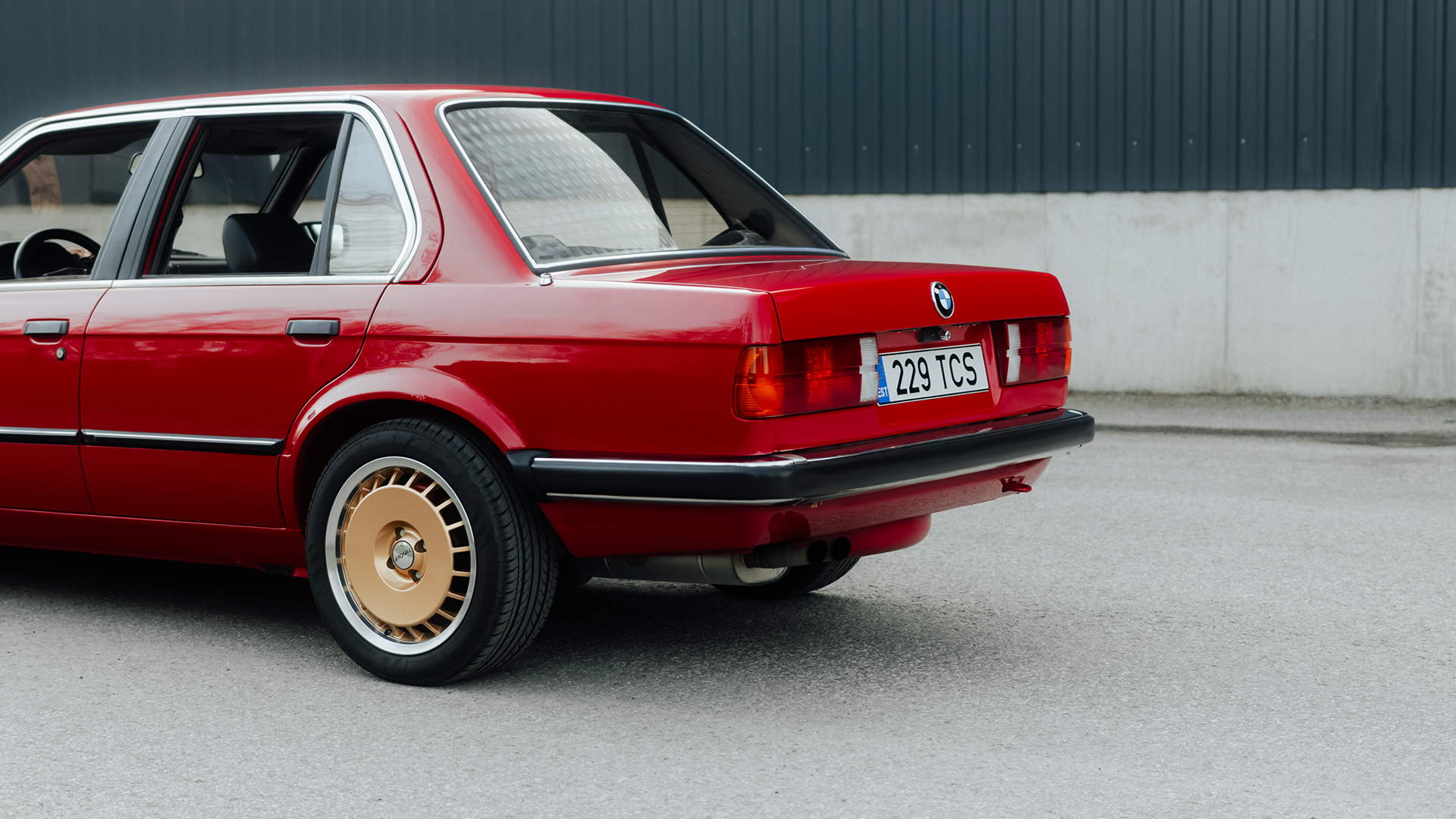
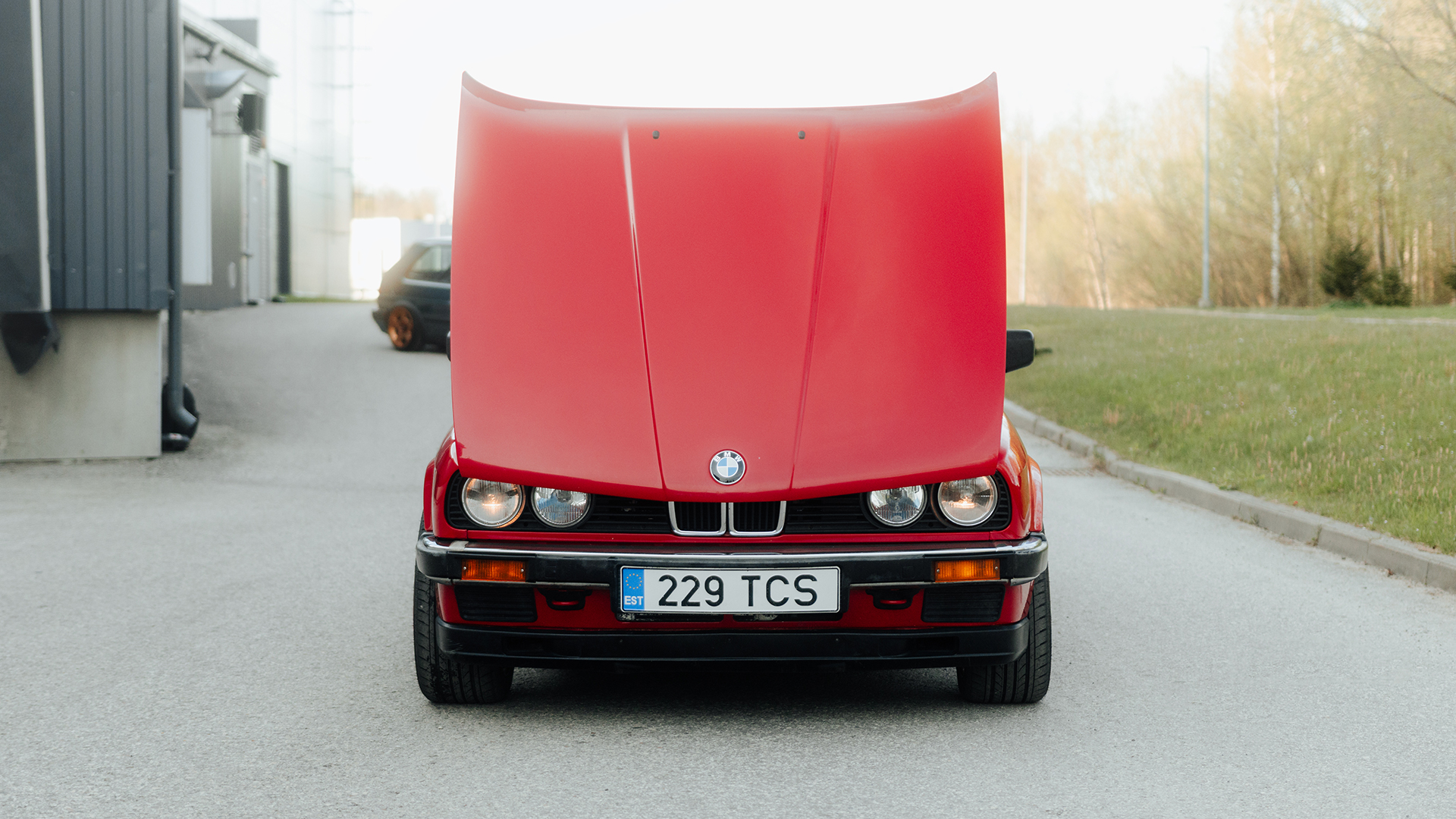
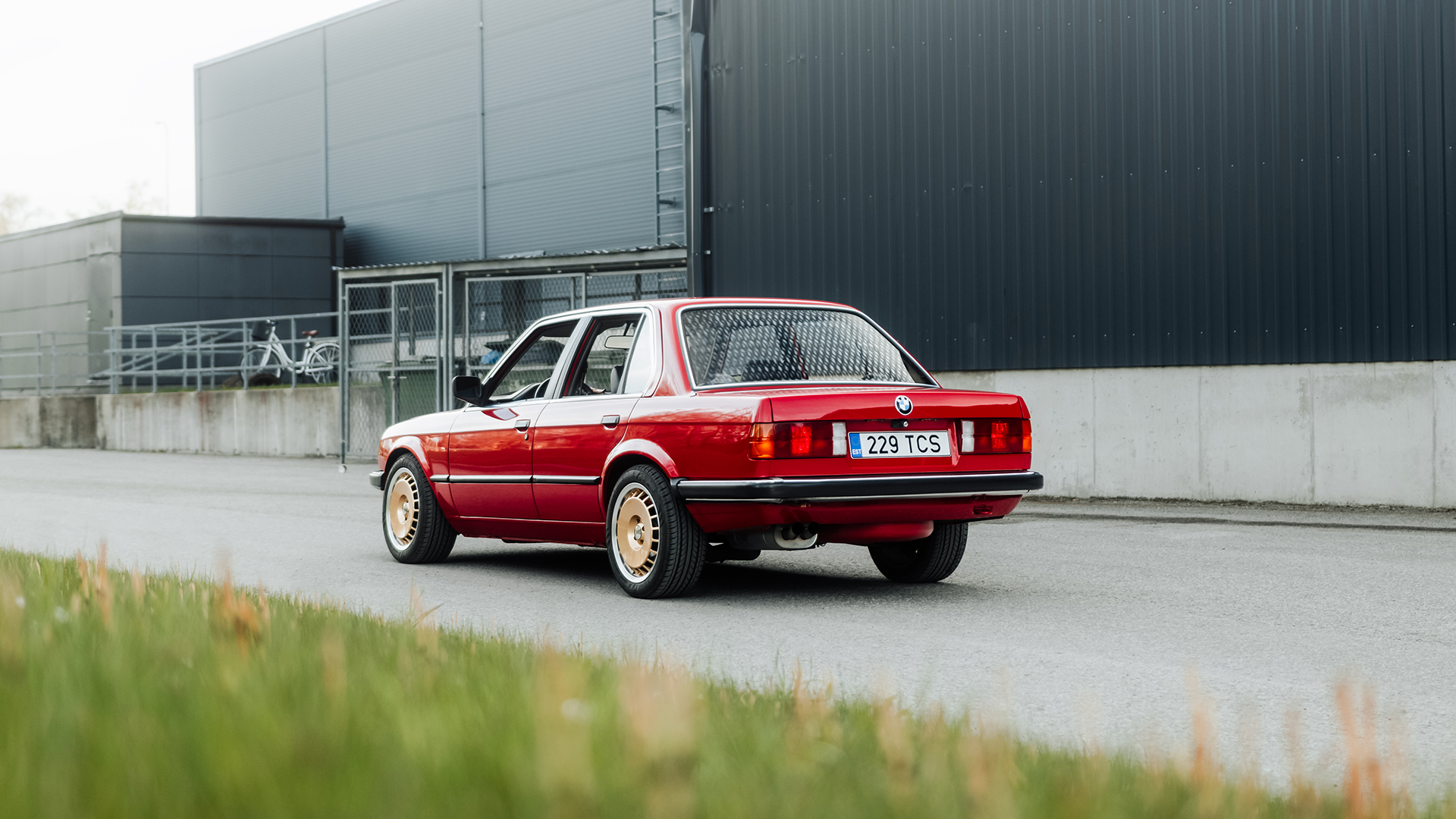
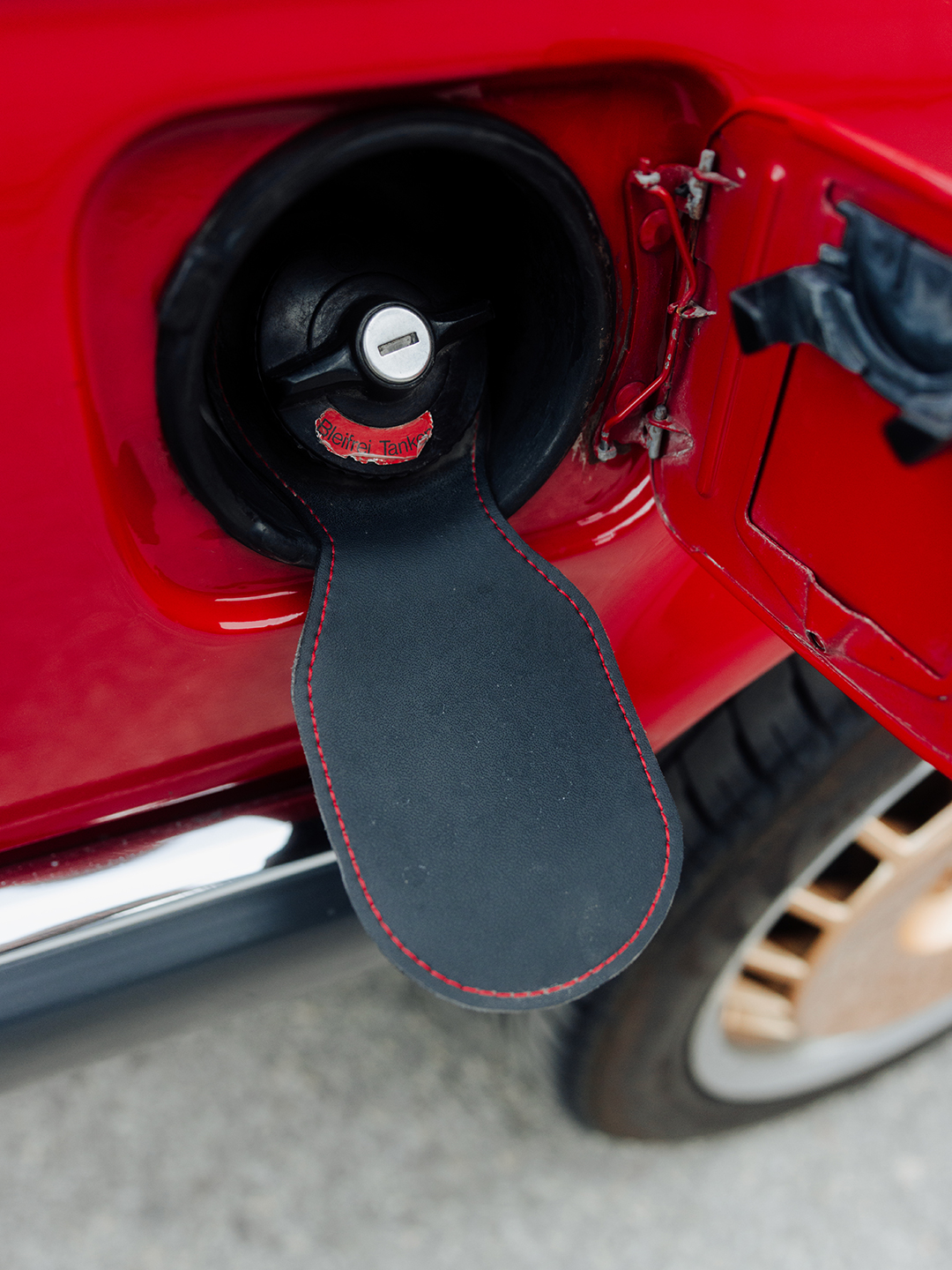
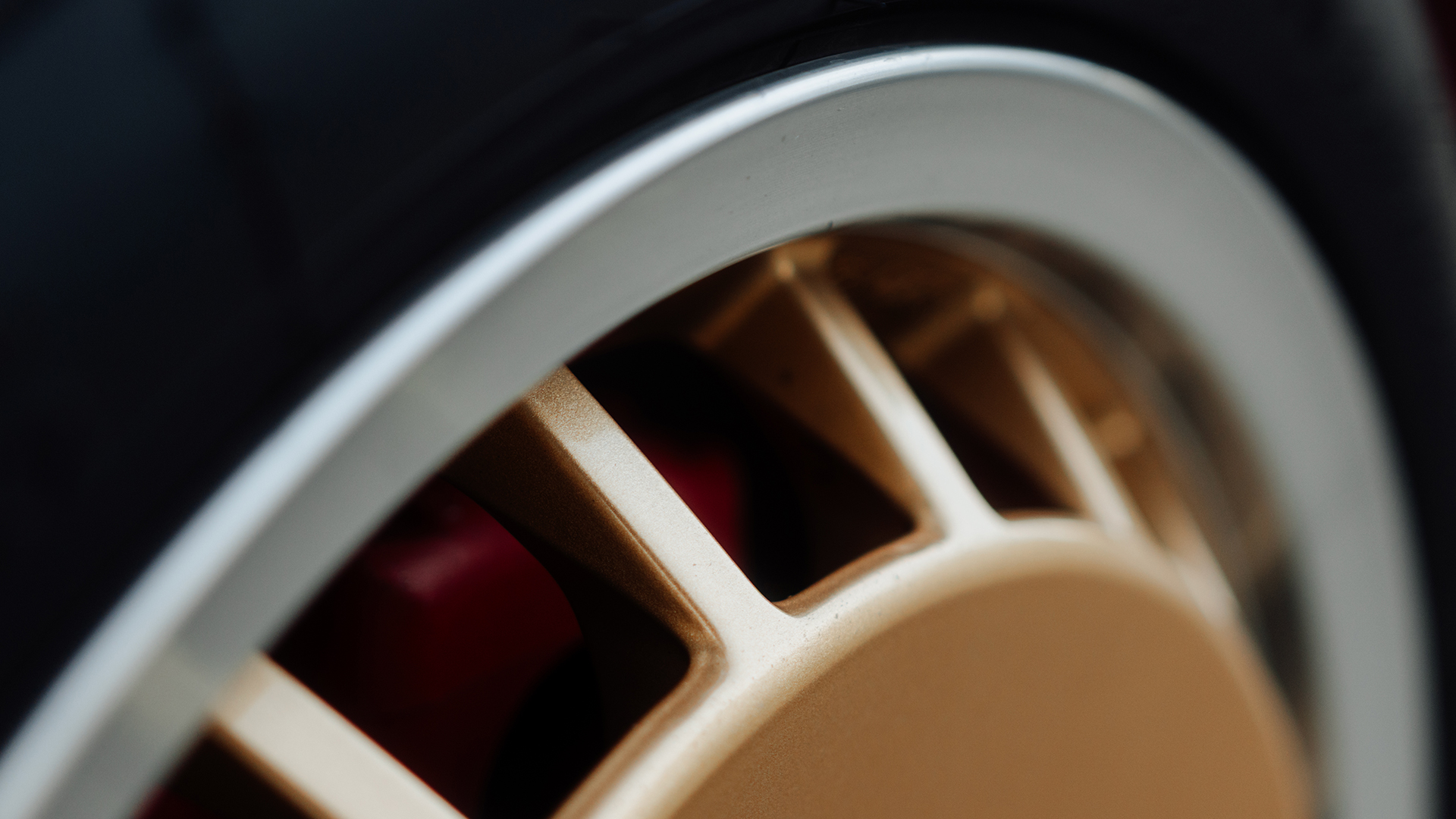
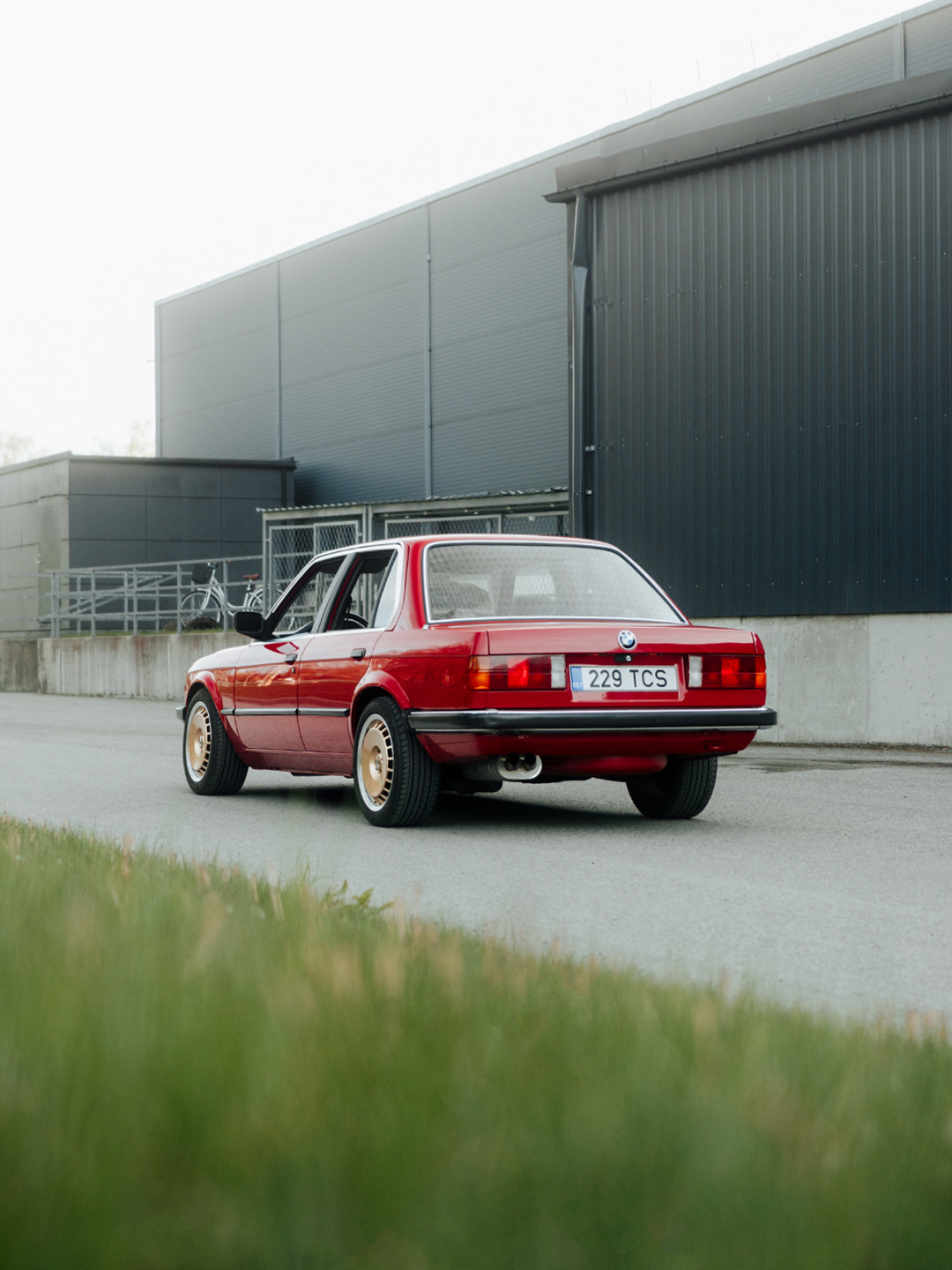
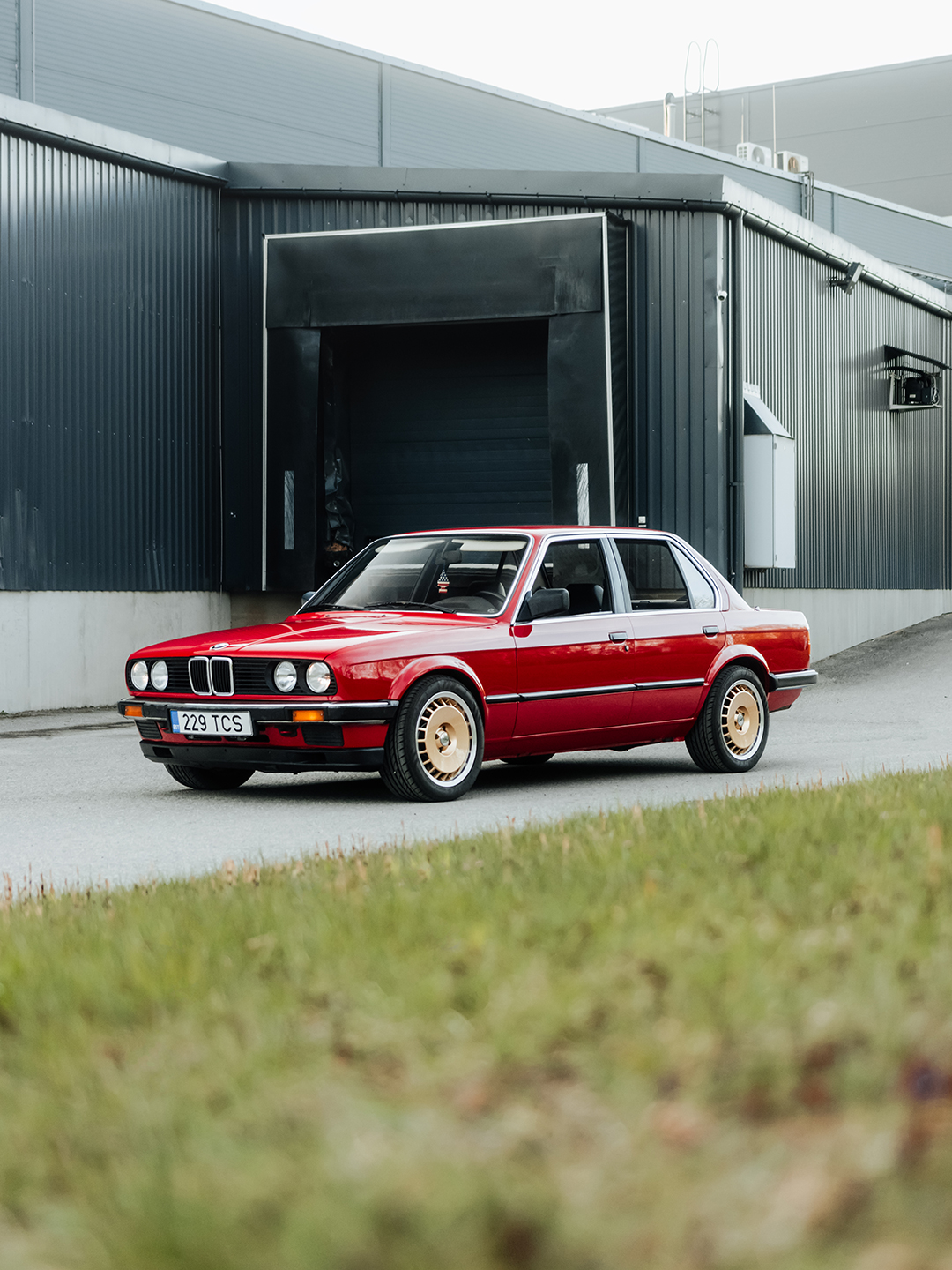
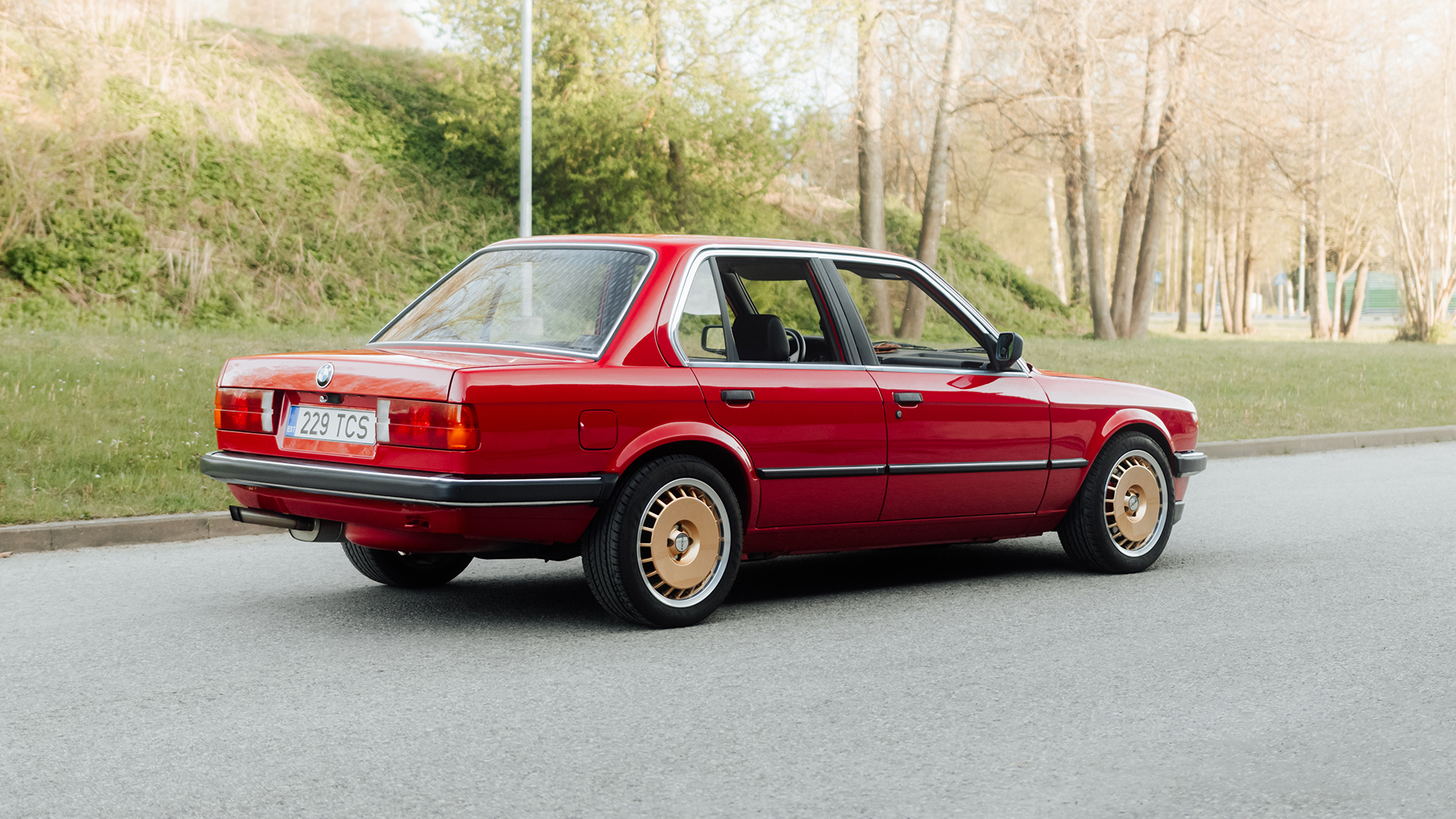
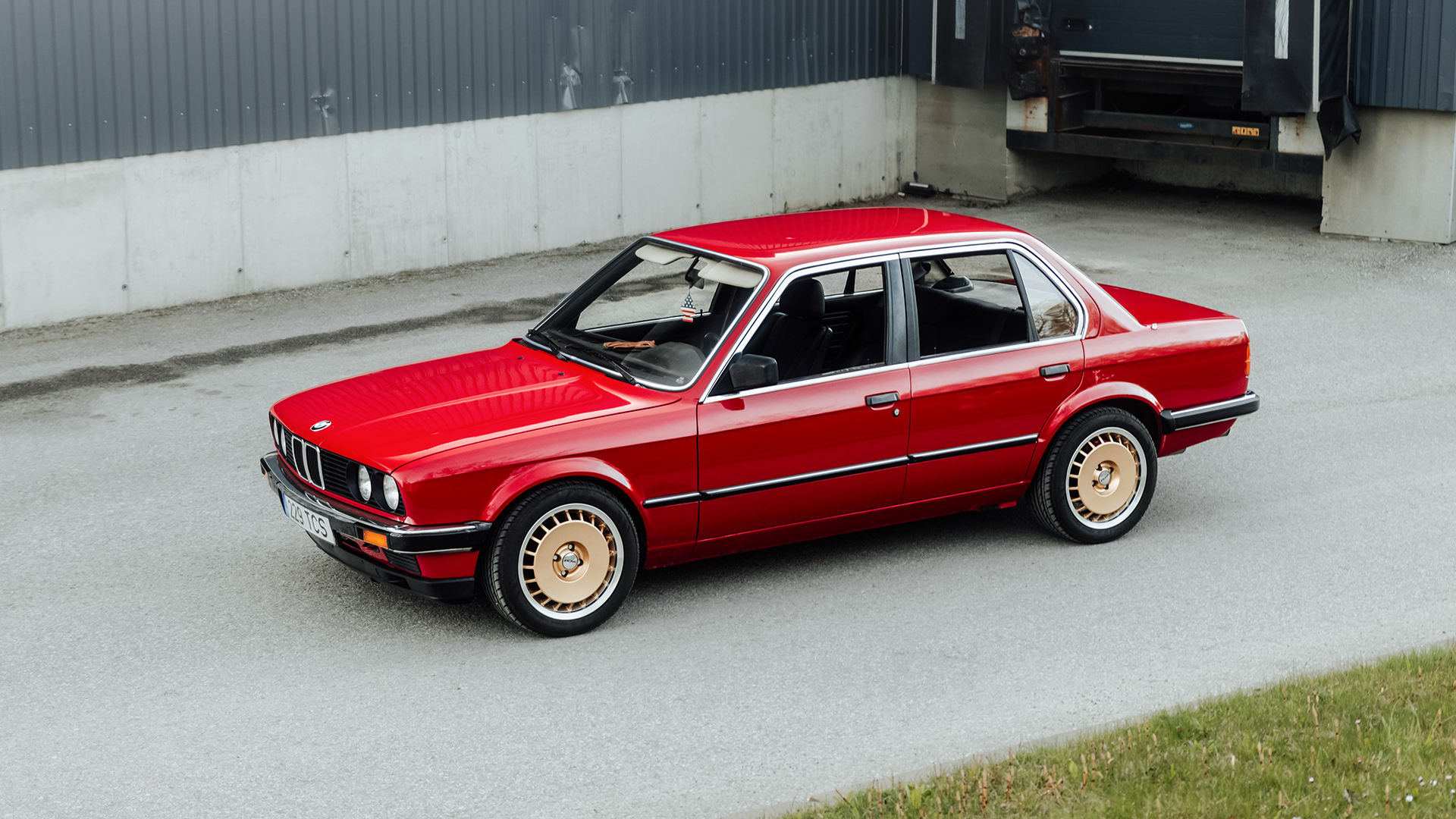
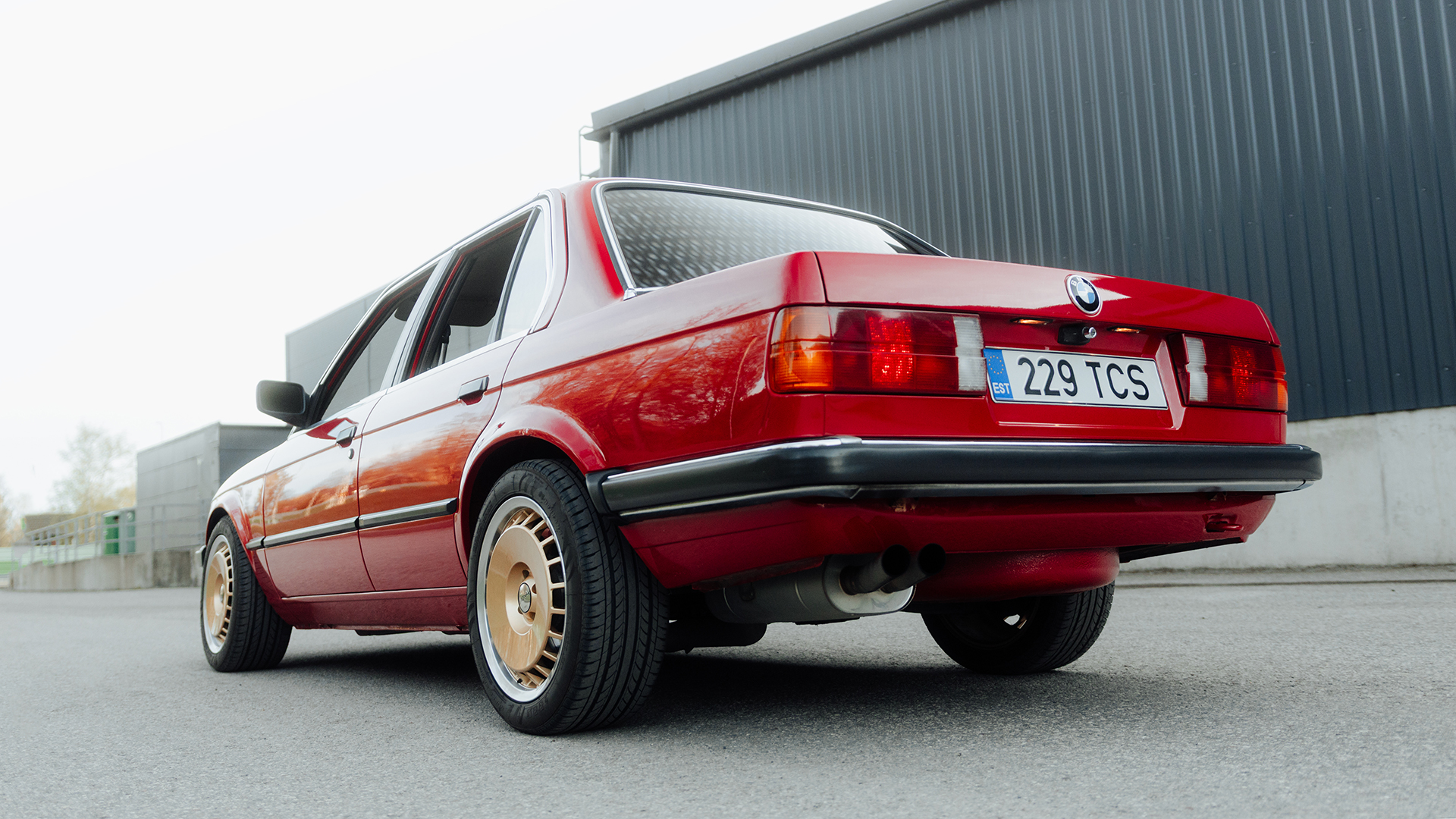
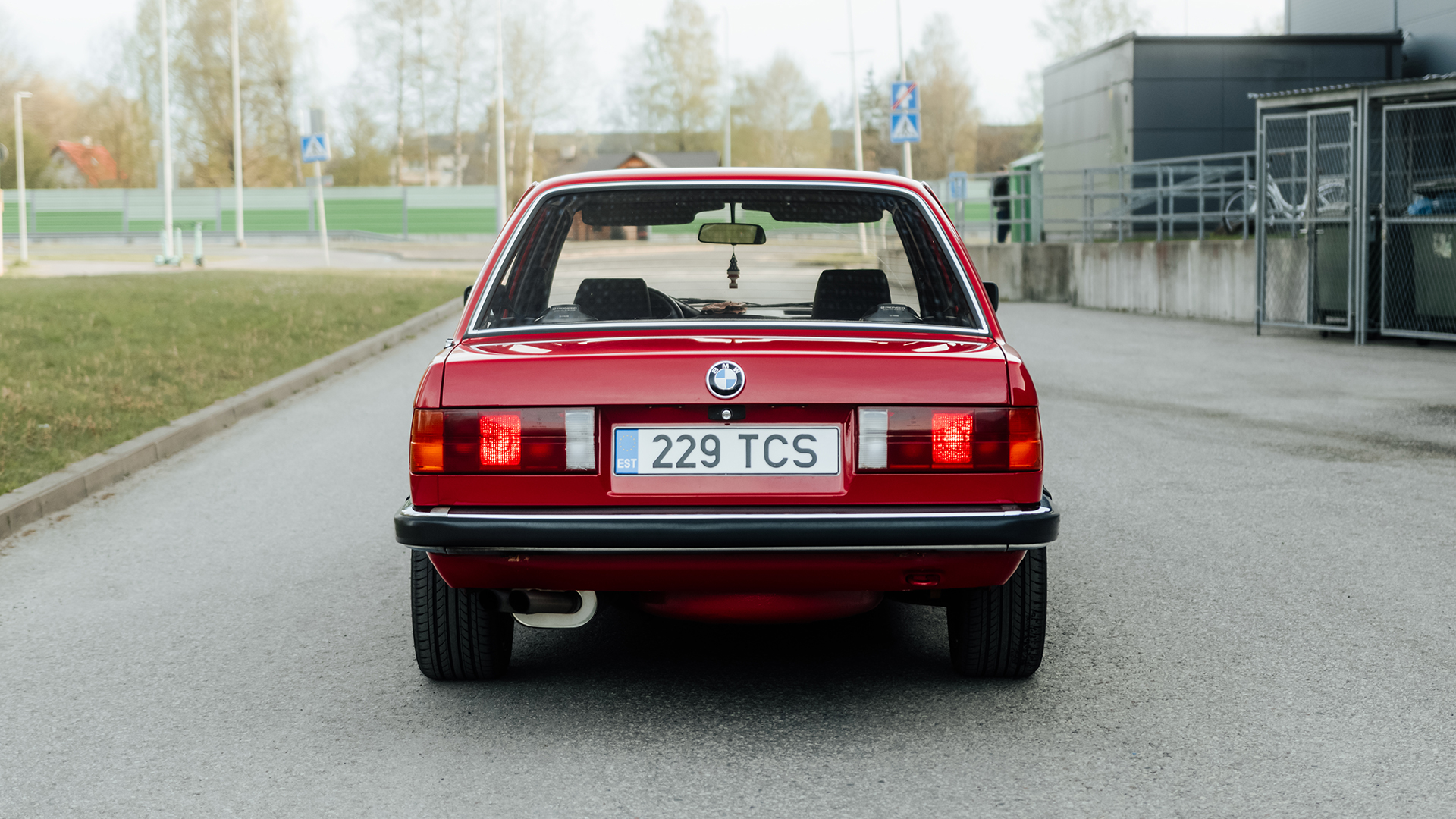
This time, we have to start the story with a warning. All purists and lovers of purebred BMWs – hold onto your pipes and glasses, because the following story may cause unprecedented emotions and unexpected emotional outbursts. Meet Kert and his one-of-a-kind E30.
Let’s start from the beginning. How did you become the owner of this E30? Is this your first car or your first major project?
No, this is neither my first car nor my first project. I became the owner quite by accident when a local gentleman was moving away and had to leave the car behind. I had mentioned to him years before that if he ever decided to sell it, I would be interested in buying it. Three years later, the deal finally happened, and today I’ve owned the car for eight years.
When the car came into your hands, what was the original vision? Did you already plan from the beginning to completely strip it down, repaint it and rebuild it more extensively, or did the project evolve over time? What engine did the car originally have?
The car was a so-called barn find and actually an ideal candidate for a black registration plate. During the first couple of weeks, I carried out the usual maintenance. I sorted out the brakes, fuel system, ignition and electronics so I could pass the inspection. For the next two years, I drove it exactly as it originally was. The car became a project when, during one inspection, the inspector pushed a hole through the rocker panel. Originally, the car came with a Jetronic fuel-injected M10B18.
If the project started because of the hole discovered during the inspection, how extensive did the rust repairs eventually become? Which body panels had to be repaired or replaced, and how long did the whole process take?
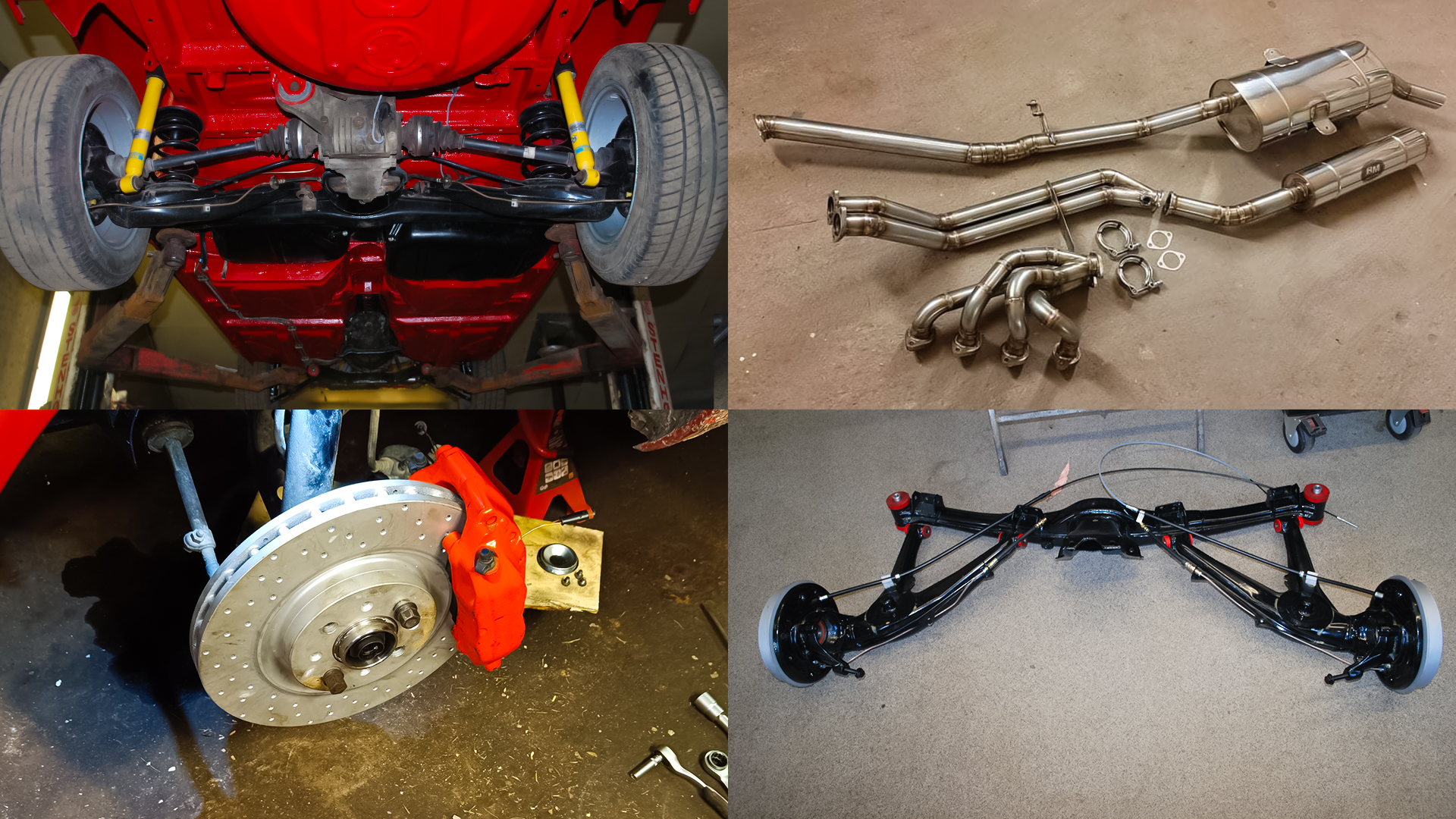
I can’t say there was a huge amount of bodywork. The rocker panels, rear wheel arches, a bit underneath the floor, and the firewall. Some of the more complicated panels came from Valcas Garage, although I didn’t even end up using all of them. Work started in November-December, and by June I was already driving the car. An experienced guy did the work and gave advice, pointing me in the right direction about what should be done and what would make the most sense.
Once the body was finally finished, what was the next step? What engine ended up in the car, and how did this project really begin? What inspired the idea?
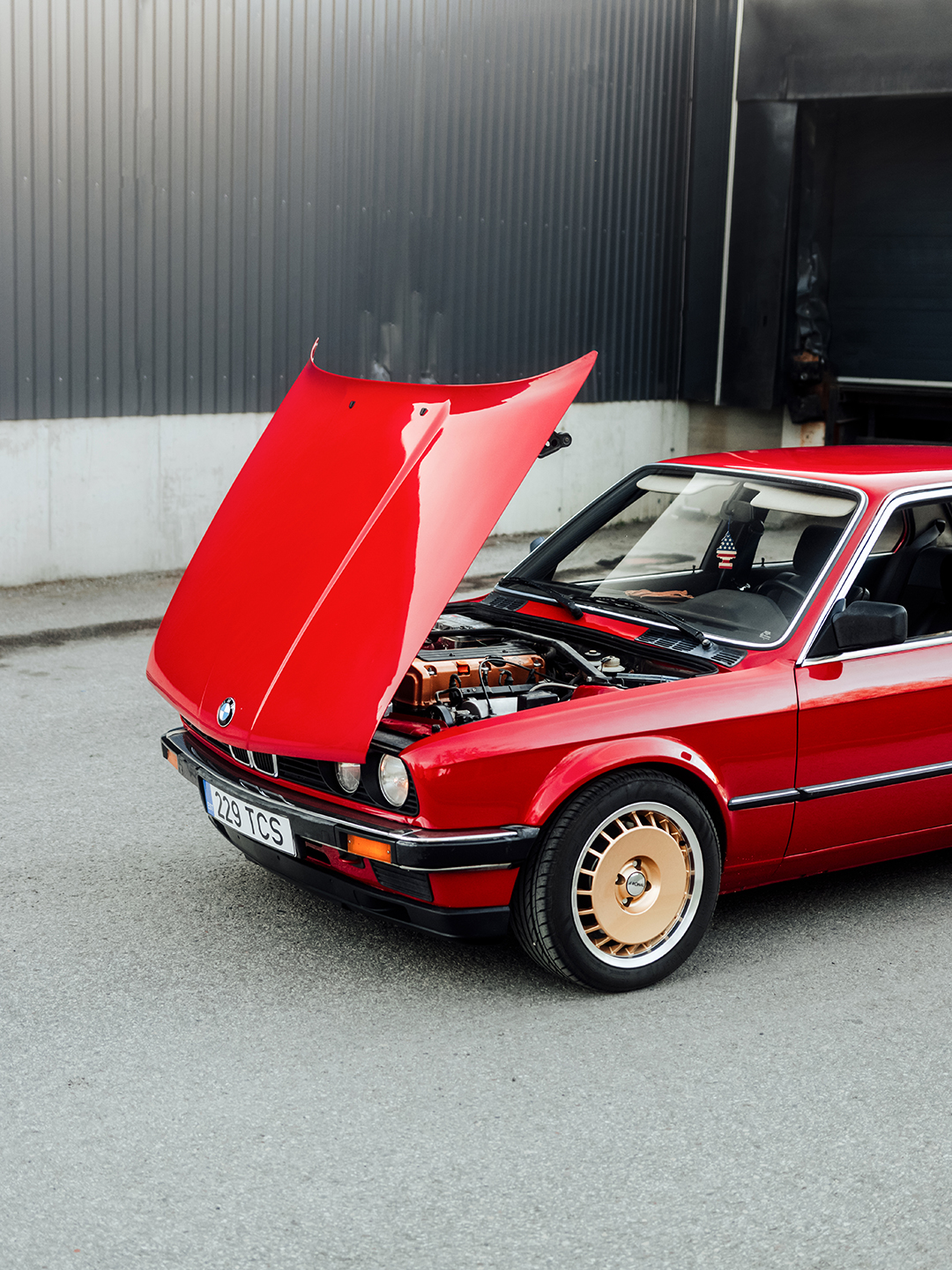
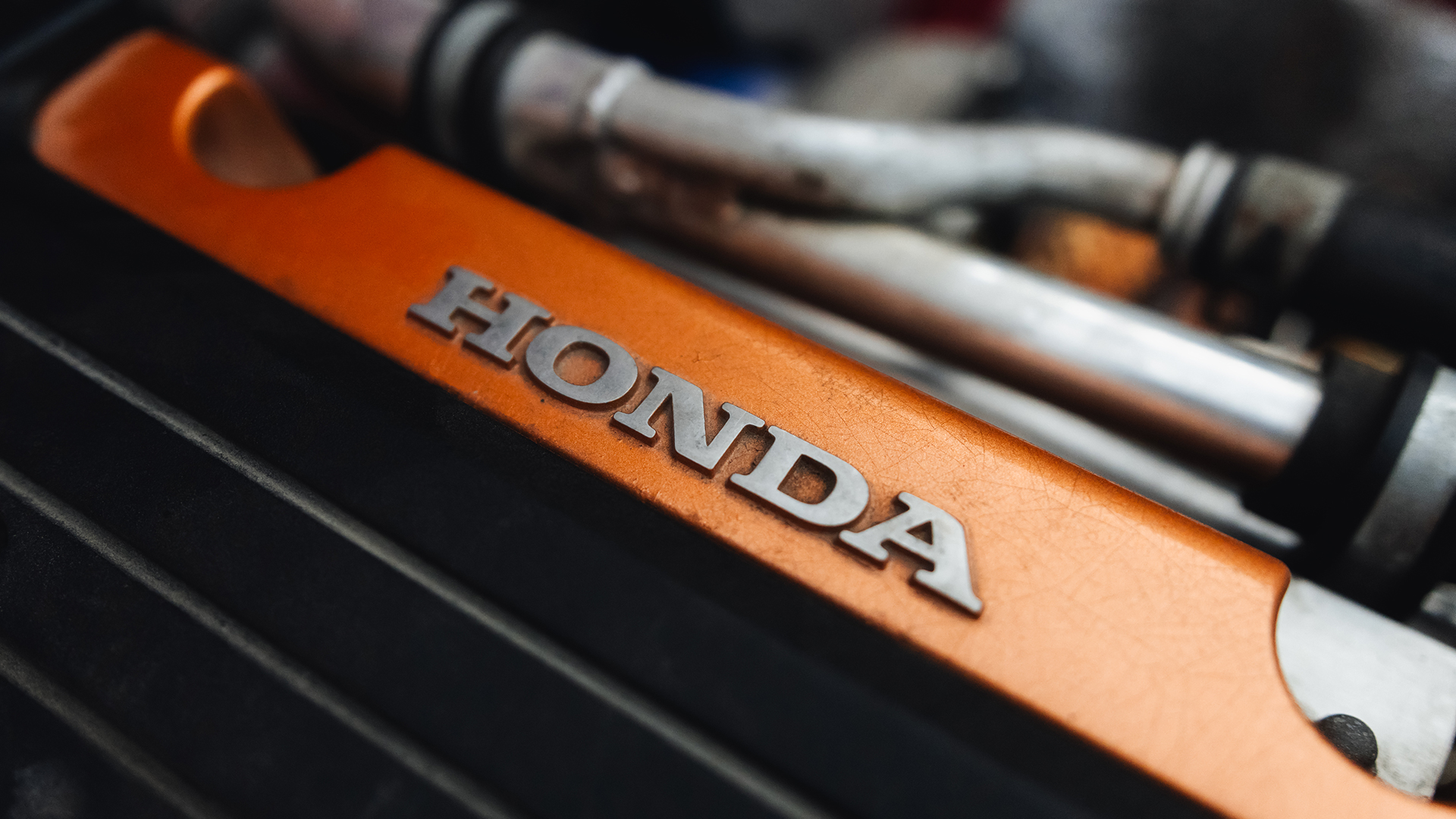
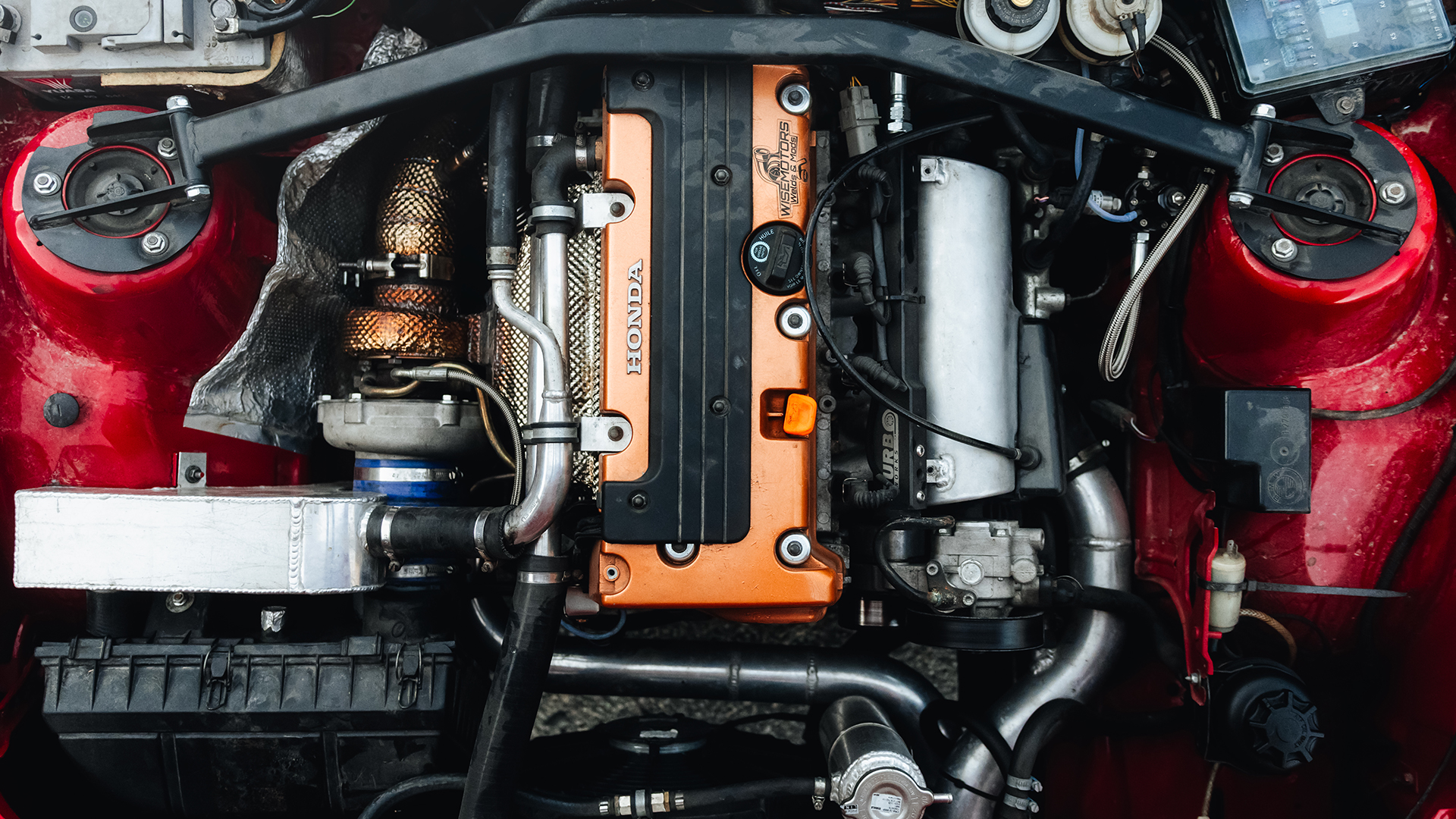
After the bodywork, I drove the car for another two summers. Swapping the engine wasn’t originally part of the plan, but one day I measured the engine’s compression and got very low numbers. The highest reading was only 5.5 bar. At that point it became clear that the engine had to come out and be completely stripped down. It turned out that rebuilding it would require the full package – new pistons, boring the block, and so on. I spent a few months thinking it over and considering different options. During a sauna evening with a friend, we came to the conclusion that this would become Estonia’s first K-Swap. At first, I was looking for a K24 in scrapyards, when I accidentally noticed that someone on the mainland was selling a K23. I ordered the engine in December, and it arrived in the middle of February. I chose the K-series simply because it’s the best inline-four engine platform available, with plenty of aftermarket support for modifications. Of course, I would have loved to use a BMW S14 engine, but those have become far too expensive.
How much had to be modified? Which parts were bolt-on solutions, and what had to be custom-made?
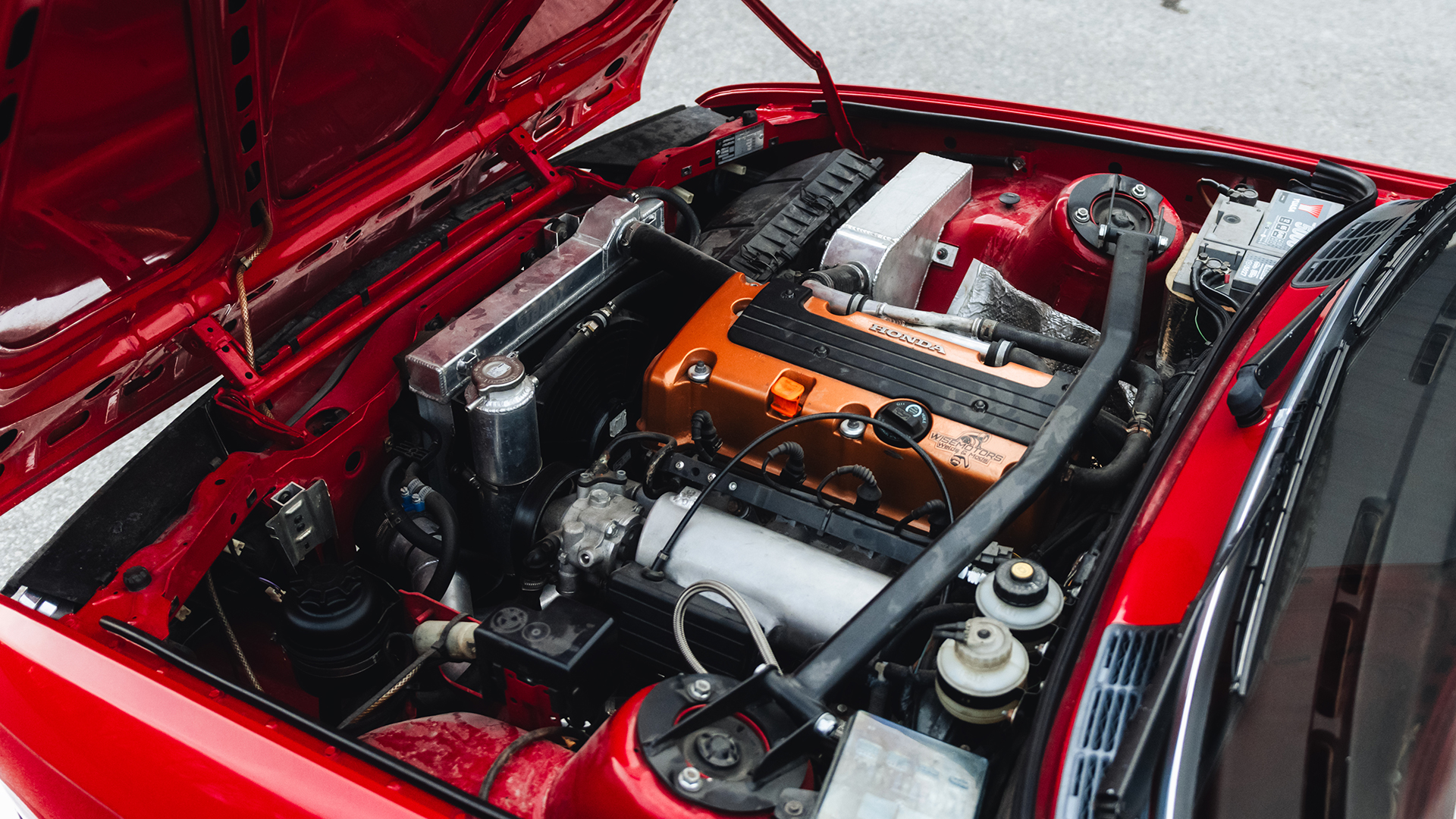
I didn’t make any modifications to the body itself. All the original mounting points for the M10 engine are still there. The Honda engine received a new oil pump, oil pan, engine mounts and exhaust manifolds. For the gearbox, I ordered an adapter plate and a flywheel. I matched the Honda power steering pump with a quick-ratio Z3 steering rack. The clutch and gearbox came from an E46. The front section of the driveshaft was shortened.
Could you briefly explain to someone unfamiliar with them what the difference is between the K24 and K23 engines?
The K24 is naturally aspirated, whereas the K23 comes factory turbocharged. It also has a lower compression ratio than the K24 or K20 engines.
What modifications has the engine received, or is it still a stock K23?
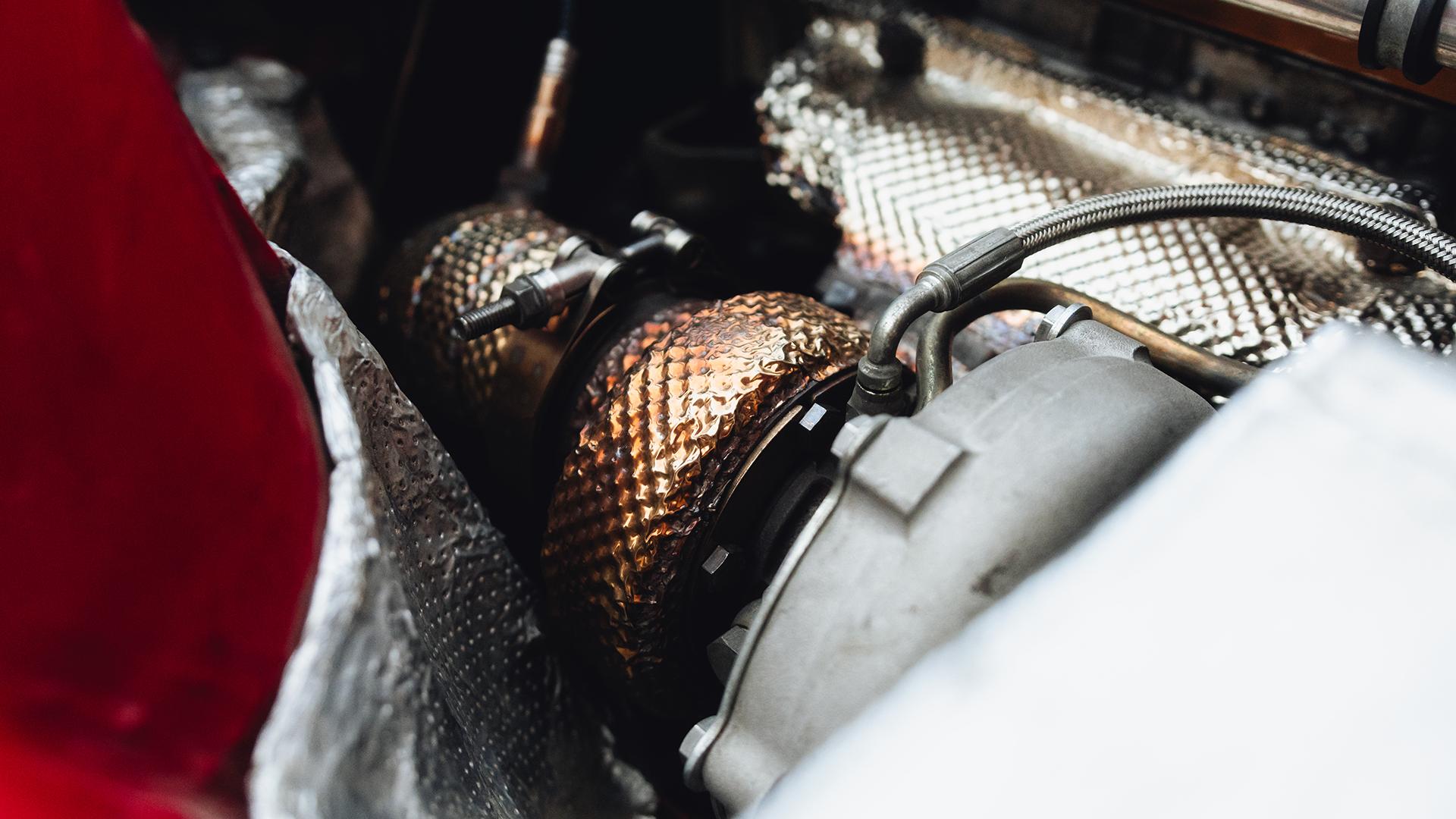
At the moment, the engine is completely stock internally and has covered just under 400,000 km, around 30,000 km of which I’ve driven myself. Around the engine, I replaced the radiator with an aluminium M3 replica unit. It also has an intercooler, power steering cooler and engine oil cooler. I also fitted an aftermarket turbo, which should allow for more power in the future.
How has the setup worked so far? Is the car suitable for daily driving, or is it more of an aggressive weekend toy?
It’s now been my daily driver from April to November for four seasons. Every now and then there are a few small quirks, but it’s perfectly capable of being driven calmly and politely. Compared to the M10, it’s definitely more reliable, and fuel consumption is around 8.5–10.5 litres per 100 km.
Tell us about the interior. What’s been done there?
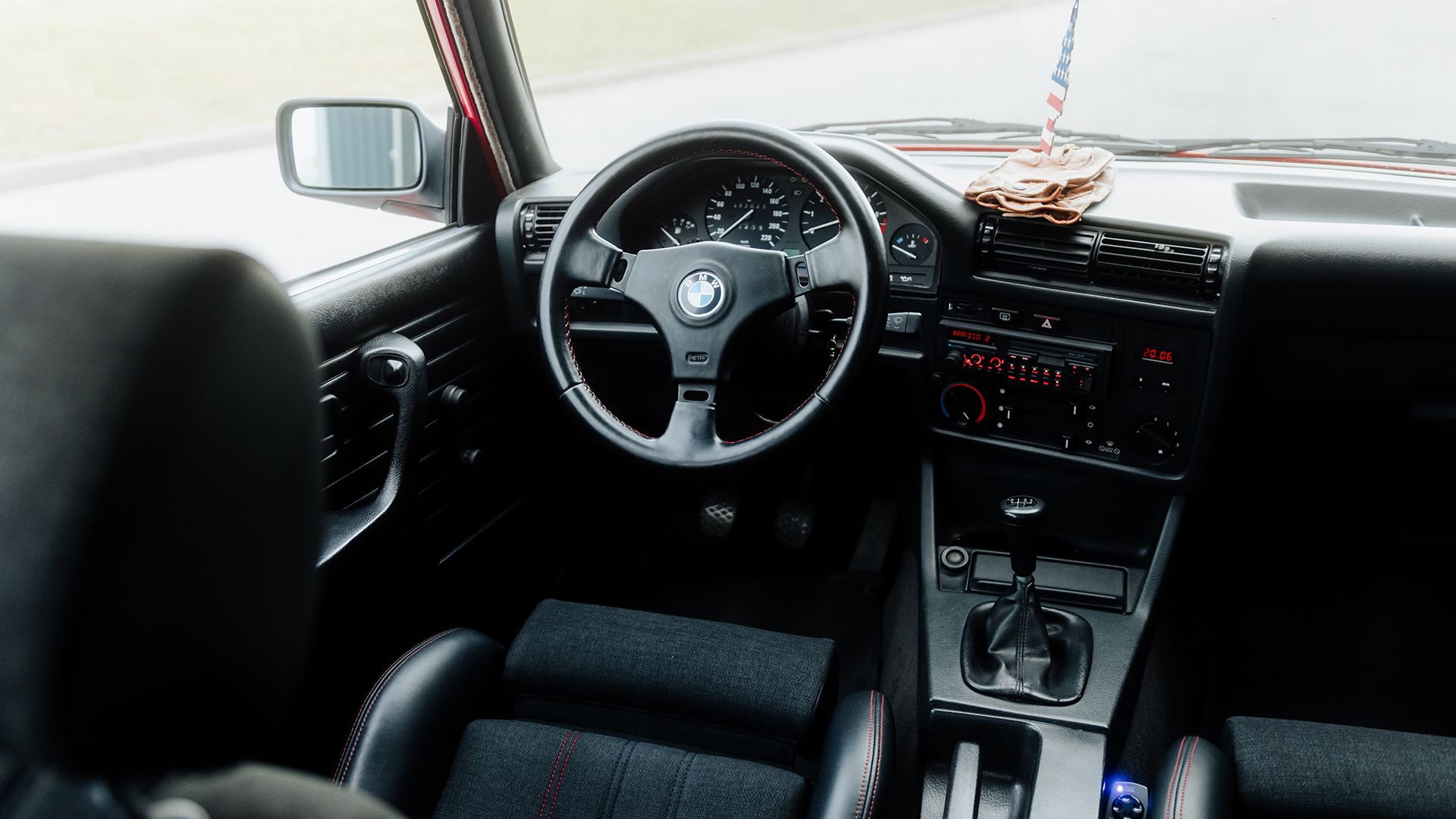
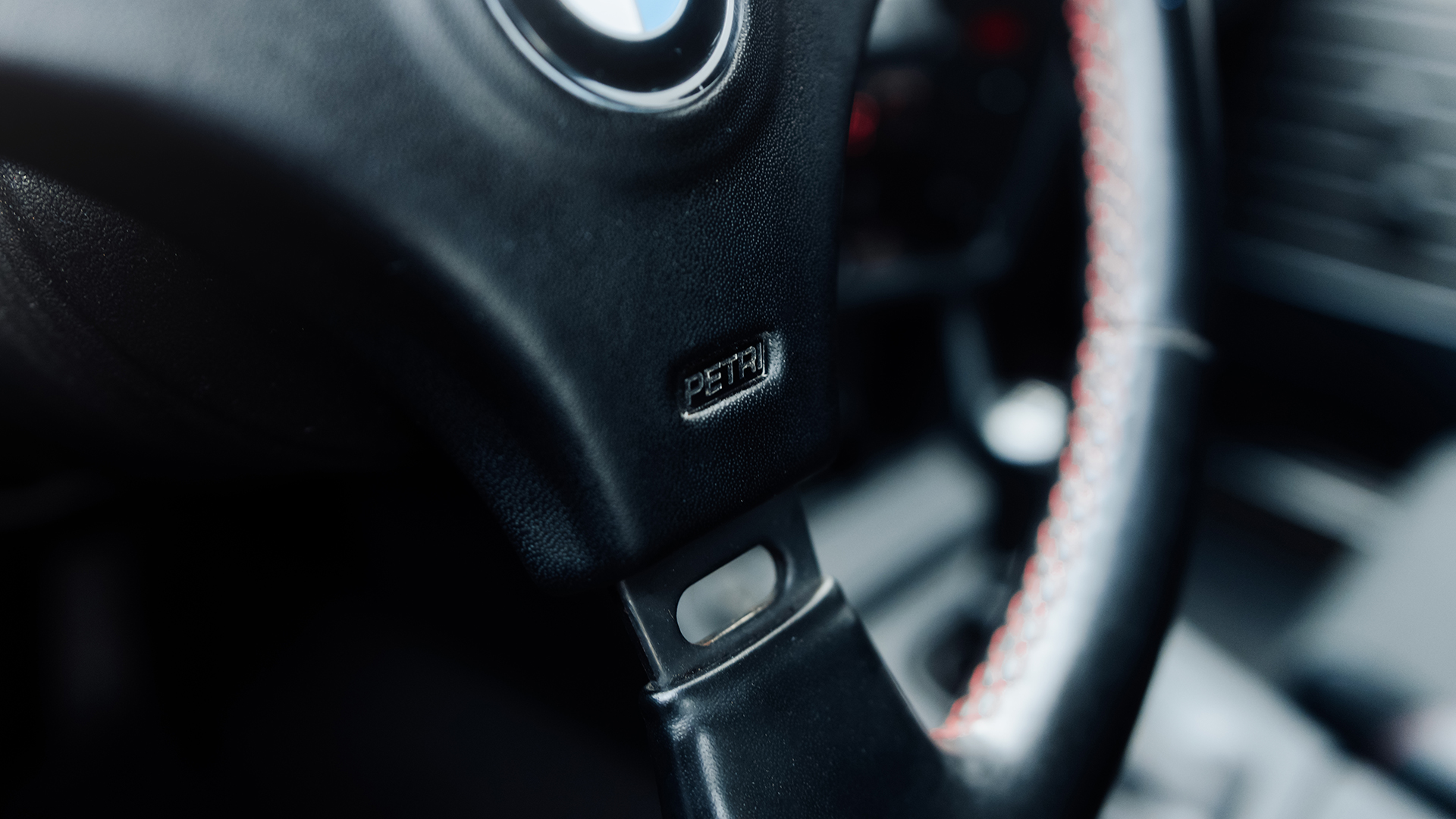
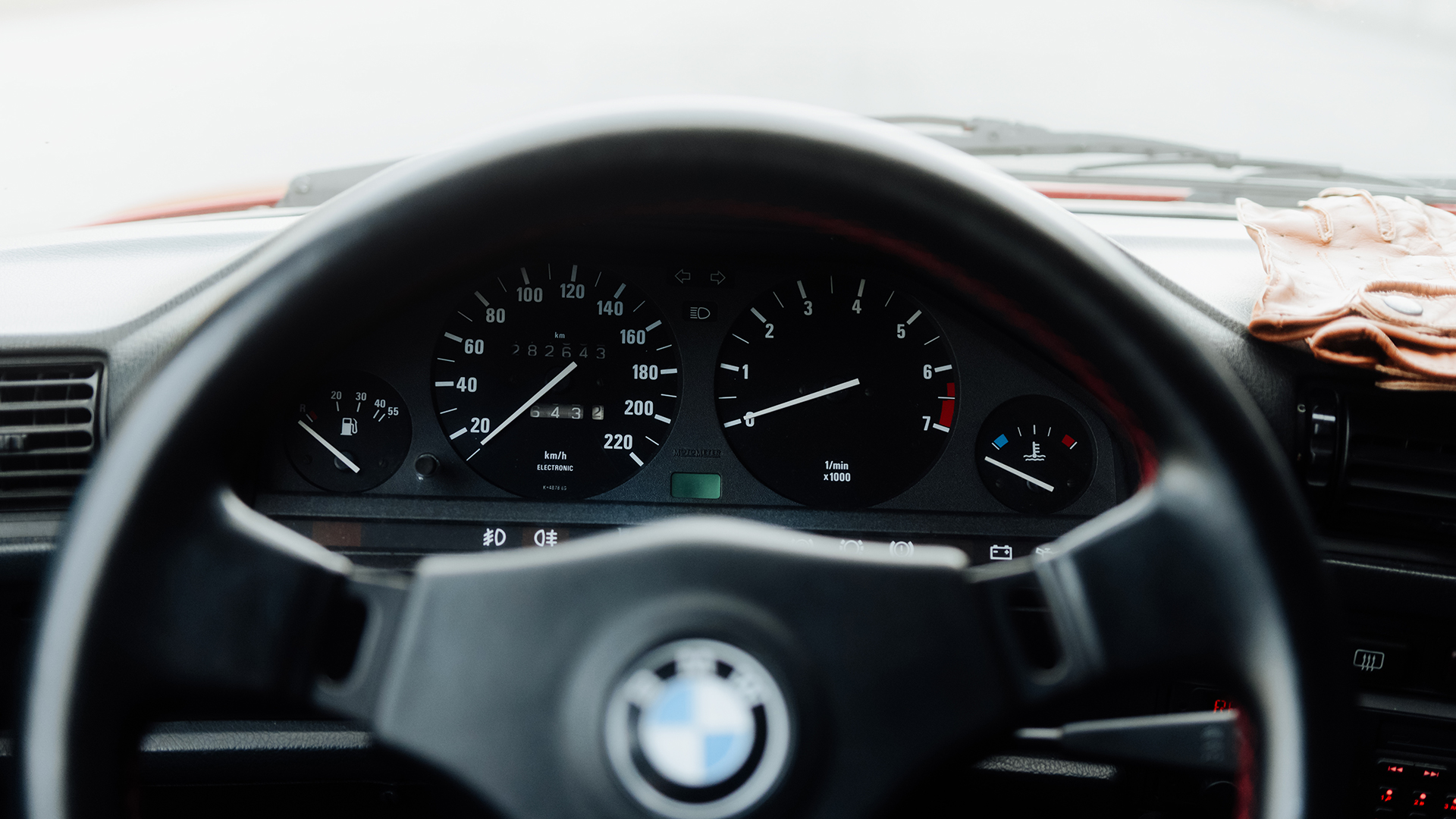
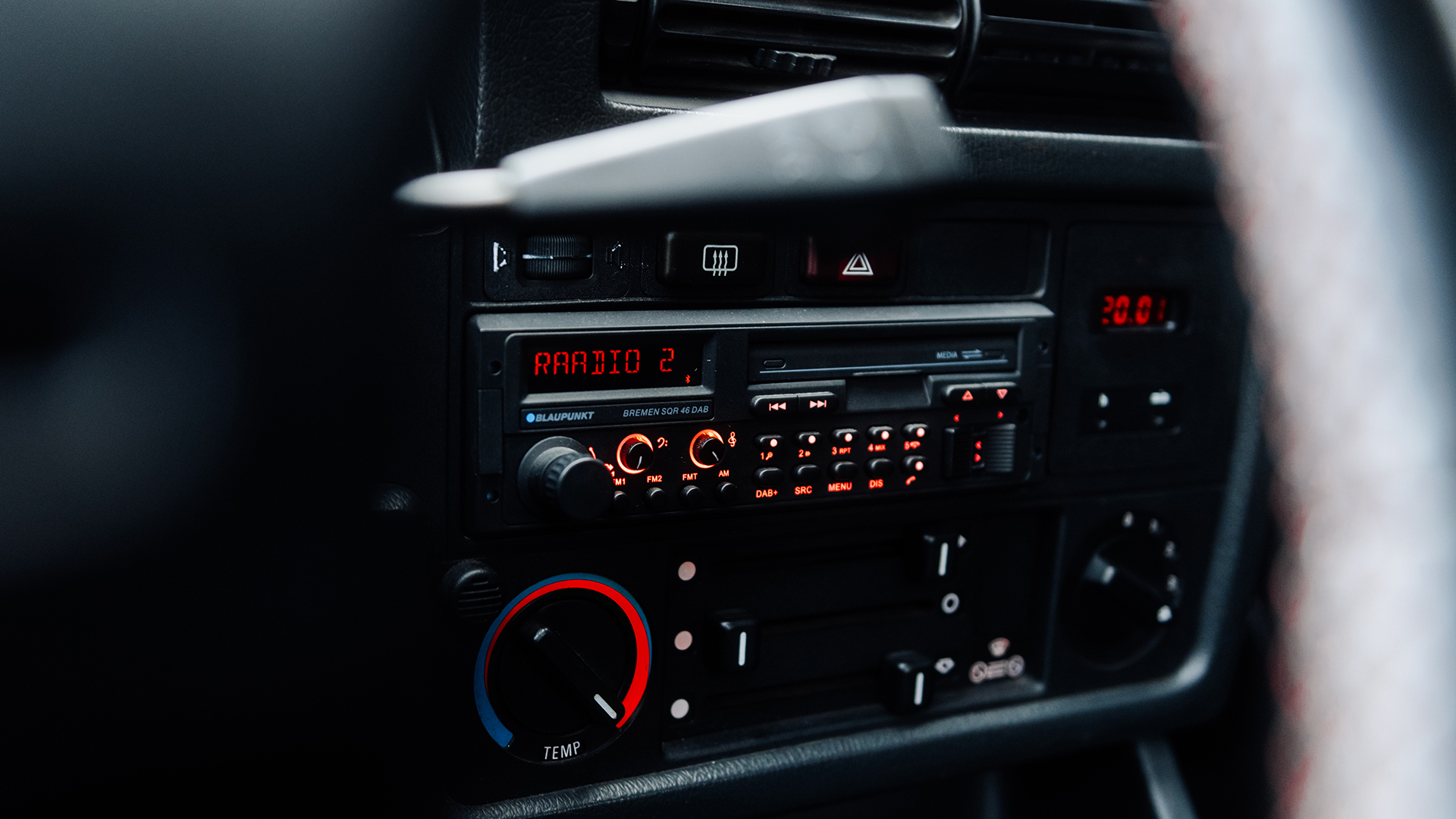
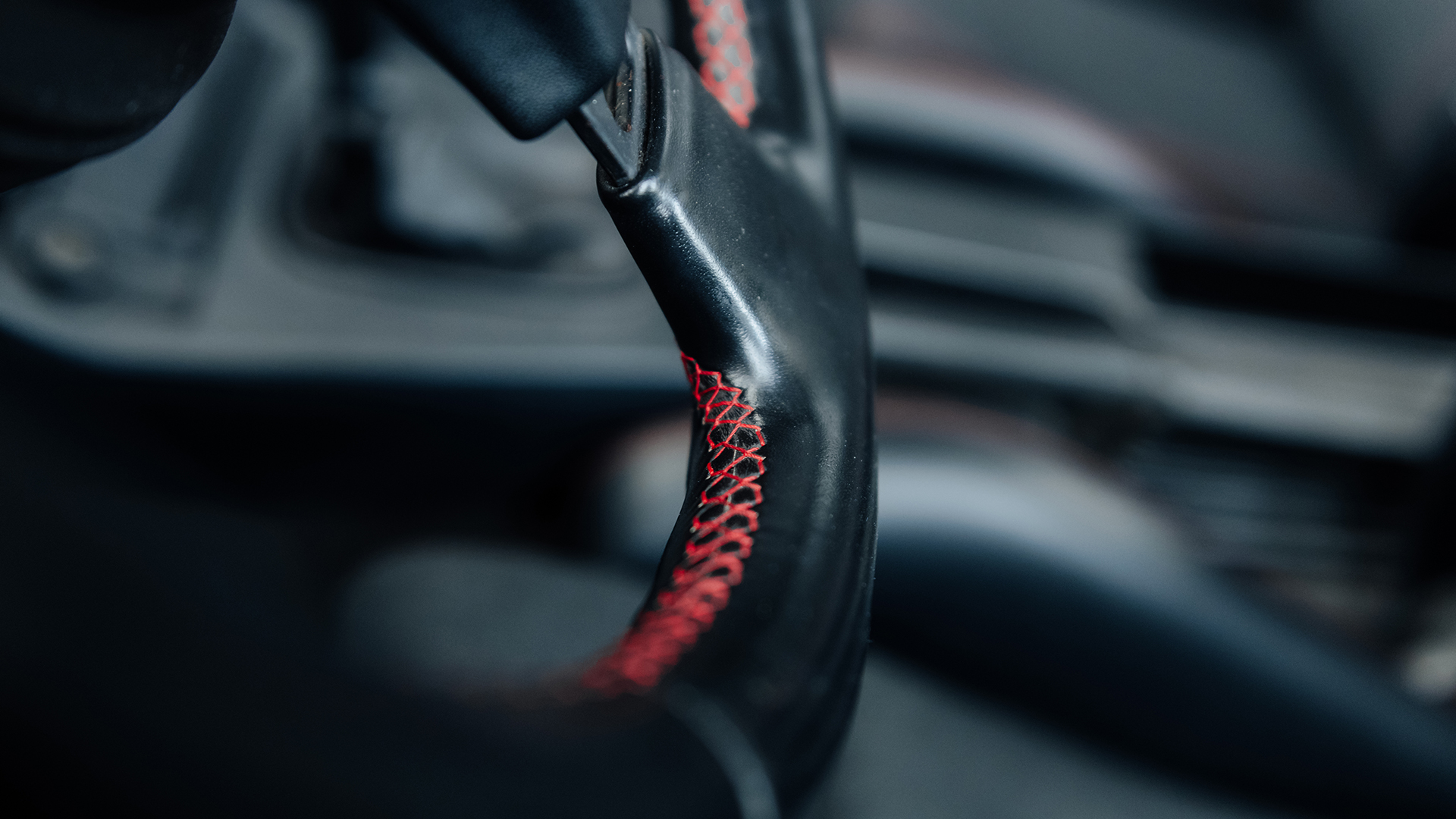
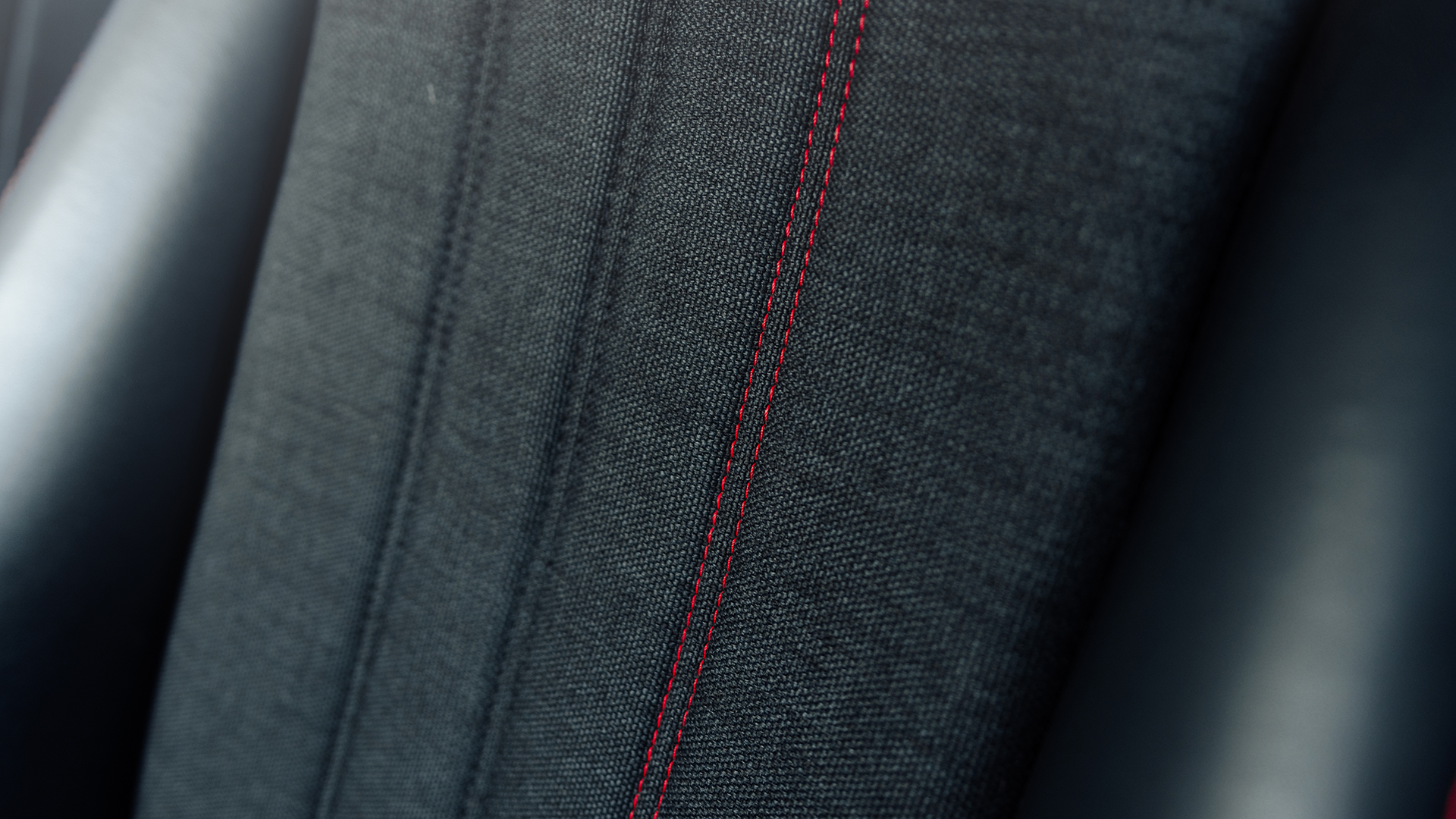
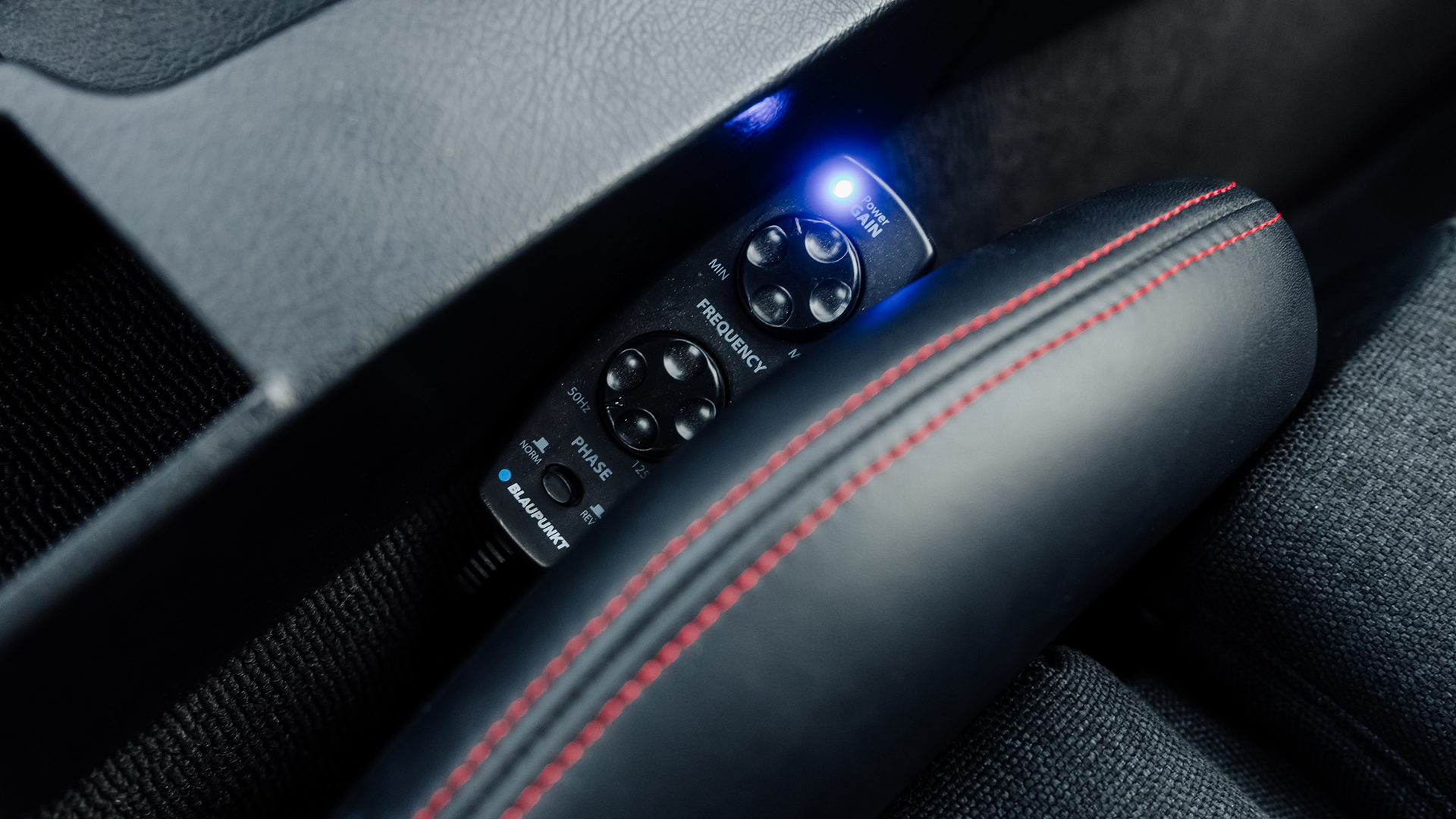
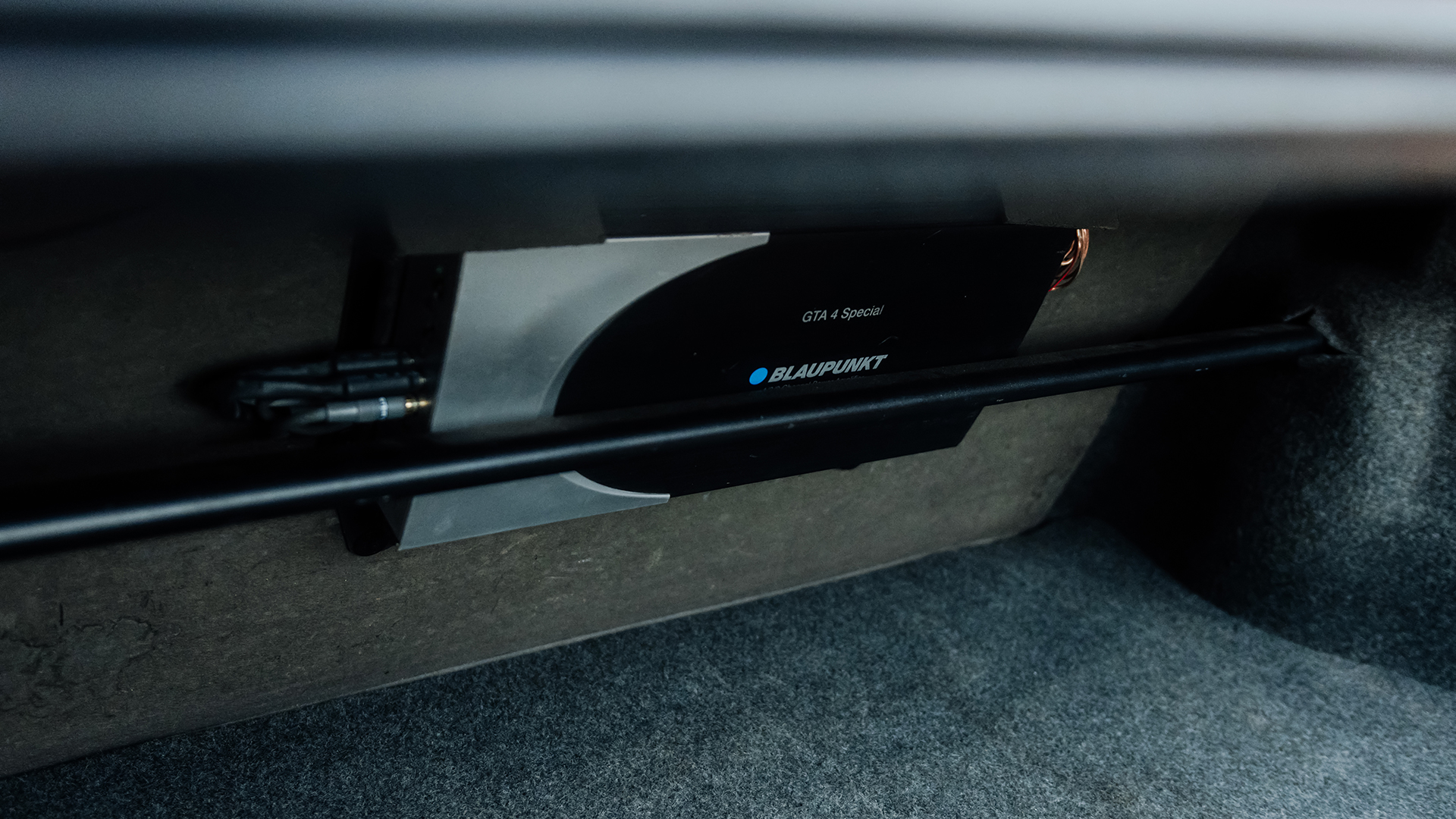
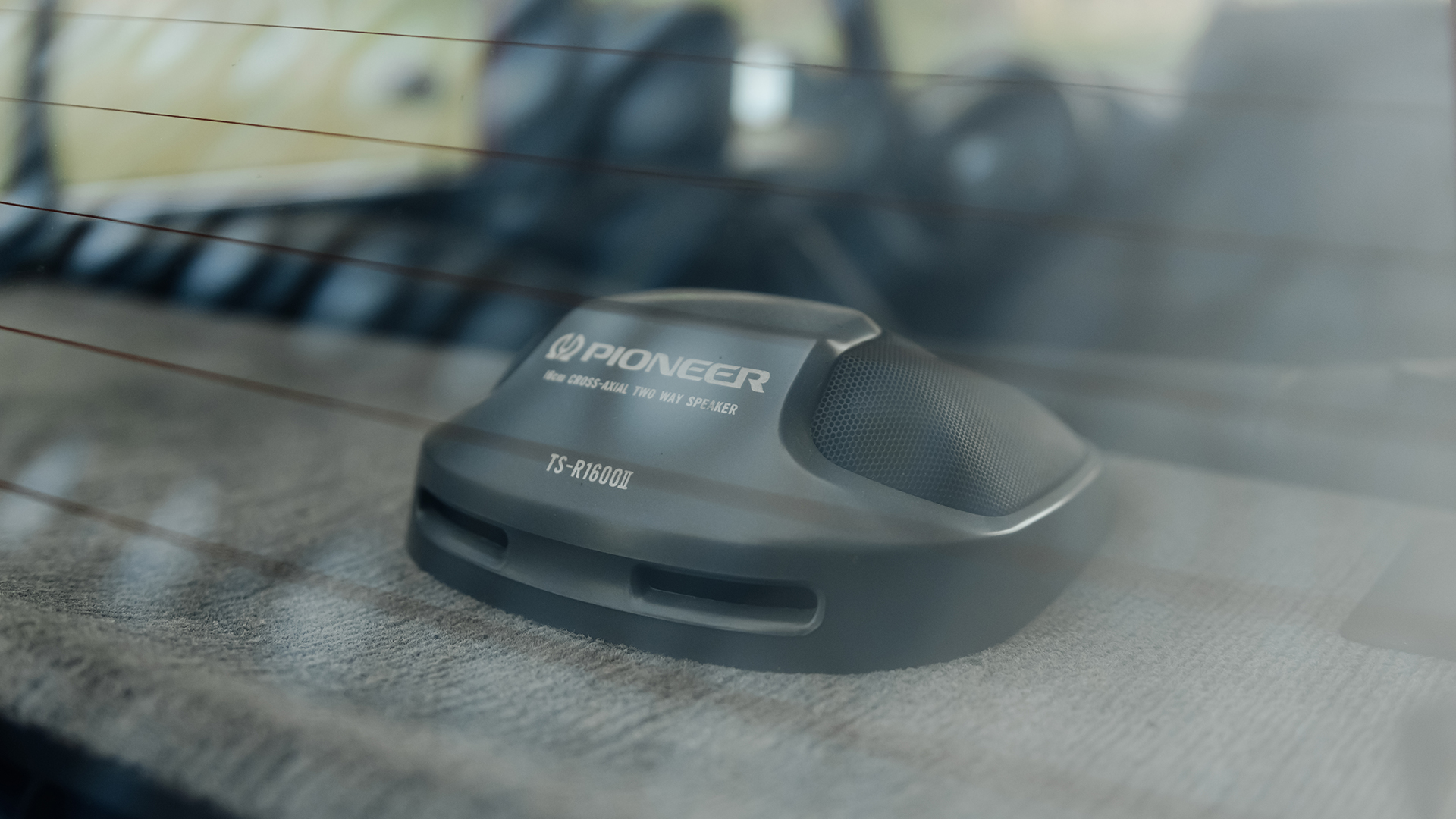
I found a set of OEM front sport seats, which were refreshed together with the rear seats. They’re trimmed in grey fabric, black leather and red stitching. By pure coincidence, before I even owned the E30, someone offered me a Petri sport steering wheel for next to nothing. That was also restored with new leather, stitching and a refurbished centre section. The steering wheel has a smaller diameter than the M-Tech 2. I upgraded the audio system with Morel two-way speakers, crossovers, an old-school Blaupunkt amplifier and a Blaupunkt Bremen SQR 46 head unit.
What are your future plans for the car?
There are plenty of plans, but they’ll have to wait for the coming winters. At the moment, a new cylinder head is being built for the engine, and the block will soon be going in for machining. I’d also like to mount the engine more neatly under the bonnet. To make it look cleaner and simplify maintenance, I’d like to route the wiring, pipes and hoses in a more compact way. My main goal is still to enjoy the car and put as many kilometres on it as possible.
Will the car remain a wolf in sheep’s clothing, or is it heading towards motorsport?
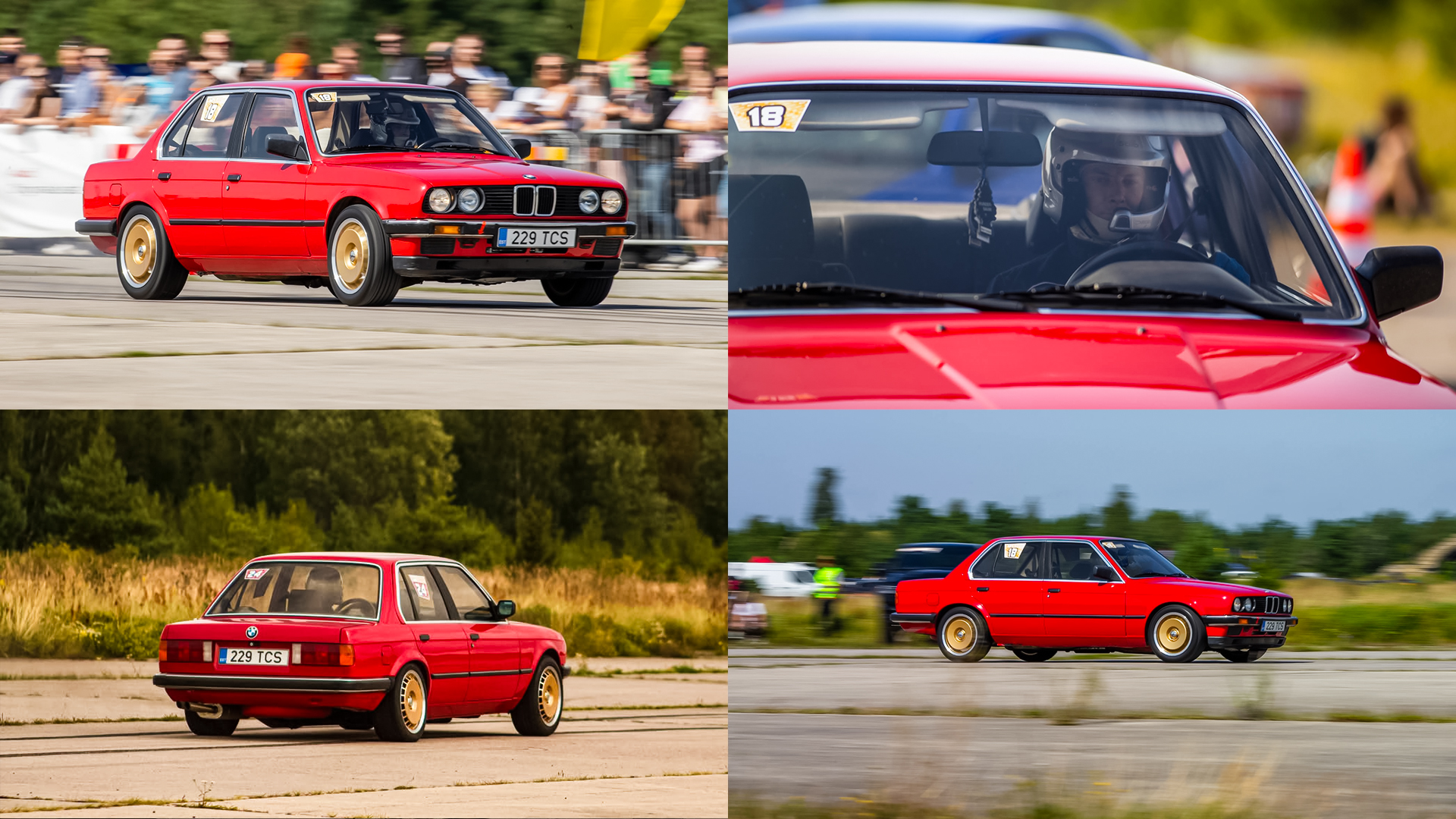
Definitely a wolf in sheep’s clothing. I’ve done the standing mile twice, and I don’t really have any plans to compete elsewhere. Maybe a track day someday.
What have people’s reactions been to this BMW and Honda combination? Does the K-series reveal itself through its sound, or does the surprise only come once the bonnet is opened?
People with a good ear ask what engine it is, especially when the electric cooling fan switches on. Most people can’t really tell. So far, everyone seems to like it, and the feedback has always been positive. There have definitely been plenty of surprised faces once they look under the bonnet.
Which car would you like to read about in one of our future blog posts?
I’d always enjoy reading about another unusual engine swap. I’m sure many readers know Project Binky, which has been going on for ten years already. It’s interesting to follow the challenges they face and see how their experiments turn out.
Finally, should young people today get involved in the car hobby, and if so, why?
Cars certainly aren’t the cheapest hobby, but they also teach you to work for what you want and save money for a modification or whatever else you have planned. Time spent in the garage with friends is always quality time. Silly ideas can often turn out to be more useful than you’d expect.